
Best Patagonia Tour and Trips
The exploration areas are Torres del Paine National Park, known for granite towers and glacier valleys. El Chaltén serves as the trekking hub for Fitz Roy and Cerro Torre routes. Los Glaciares National Park features Perito Moreno Glacier and extensive ice fields. Southern routes extend to Tierra del Fuego, where subpolar forests and coastal landscapes define the end of the continent. Patagonia tours differ from regular trips through structured logistics, guided access, and regulated park coordination across remote terrain. Travel distances, weather volatility, and limited infrastructure require advance planning that independent travel rarely supports efficiently. Guided tours manage permits, timing, safety protocols, and route sequencing to maintain continuity and access within protected environments.





Patagonia Tour Review

Why is Patagonia a Top Travel Destination?
Patagonia supports rich wildlife across varied ecosystems, including guanacos, Andean condors, pumas, Magellanic penguins, and marine mammals along southern coasts. National parks preserve large uninterrupted territories, including Torres del Paine National Park, Los Glaciares National Park, and Tierra del Fuego National Park, where controlled access protects biodiversity while allowing structured exploration. Patagonia’s combination of scale, isolation, and preserved environments places Patagonia among the most distinctive natural travel regions worldwide.
Why should you Choose Our Patagonia Tour and Trips?
You should choose our Patagonia Tours and Trips for the reasons listed below.
Expert Local Guides
Well-Designed Itineraries
Small Group Focus
Private Tour Options
Logistics Management
High Safety Standards
Sustainable Travel Practices
Proven Guest Satisfaction
Best Patagonia Hiking Tours
The best Patagonia hiking tours are listed below.
- W Trek: The W Trek crosses the most recognized valleys inside Torres del Paine National Park. The route links Grey Glacier, French Valley, and Mirador Las Torres through maintained trails and established refugios.
- O Circuit: The O Circuit completes a full loop around the Torres del Paine massif through remote backcountry terrain. The route includes high mountain passes, expansive ice field views, and quieter sections beyond the W Trek corridor.
- Laguna de los Tres: The Laguna de los Tres rises sharply above El Chaltén toward a glacial lake beneath Cerro Fitz Roy. The final ascent delivers a steep climb with one of Patagonia’s most dramatic viewpoints.
- Laguna Torre: The Laguna Torre follows a wide glacial valley toward the base of Cerro Torre. The trail maintains moderate elevation gain while offering continuous views of ice fields and hanging glaciers.
- Fitz Roy Trek: The Fitz Roy Trek explores multiple trails around Cerro Fitz Roy’s granite spires. The network connects alpine lakes, ridgelines, and forest paths from El Chaltén.
- Cerro Torre Trek: The Cerro Torre Trek focuses on approaches toward Cerro Torre’s jagged summit. The route emphasizes glacier scenery, moraines, and long valley perspectives shaped by wind and ice.
- Mirador Las Torres: The Mirador Las Torres climbs directly to the base of the Torres del Paine towers. The hike features a demanding final ascent rewarded by a close view of the granite formations above a glacial lake.
- Grey Glacier Trail: The Grey Glacier Trail runs along the edge of the Southern Patagonian Ice Field inside Torres del Paine. The trail offers elevated views of drifting icebergs and the glacier’s massive ice face.
- Dientes de Navarino: The Dientes de Navarino crosses the southernmost mountain range on Earth on Navarino Island. The route demands advanced navigation across rugged passes, alpine lakes, and exposed ridgelines.
- Cerro Castillo Trek: The Cerro Castillo Trek winds through Chilean Patagonia past sharp ridges and turquoise lagoons. The trail rivals Torres del Paine scenery with fewer crowds and a strong wilderness feel.
Overview of the W Trek Hiking Tour
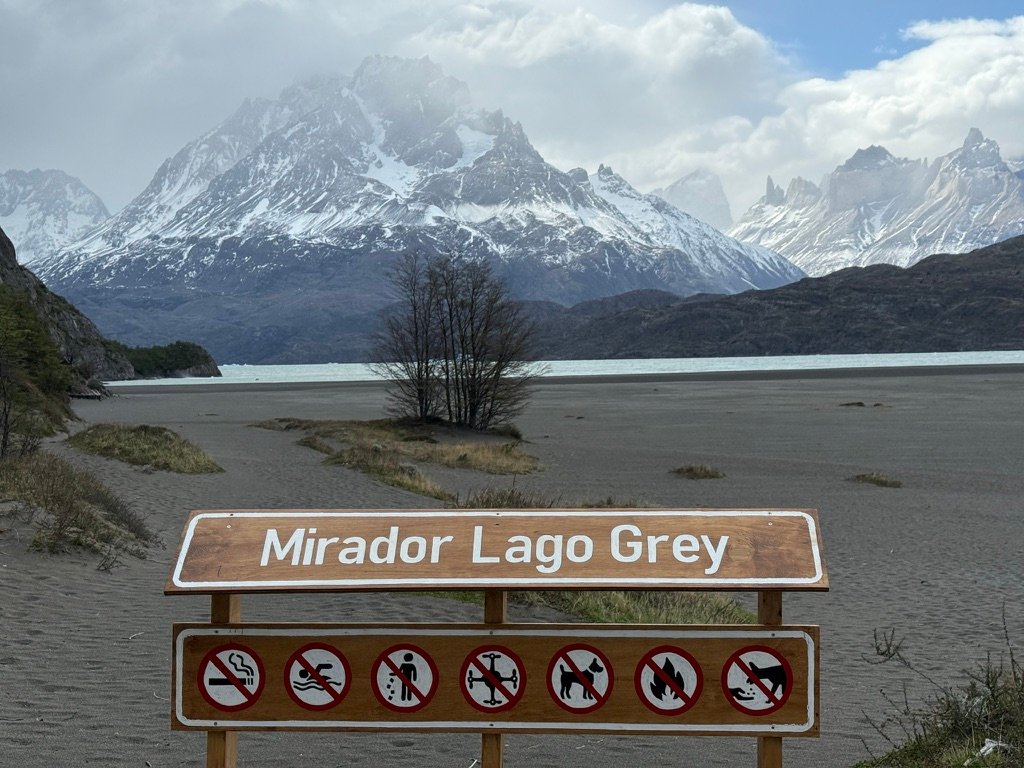
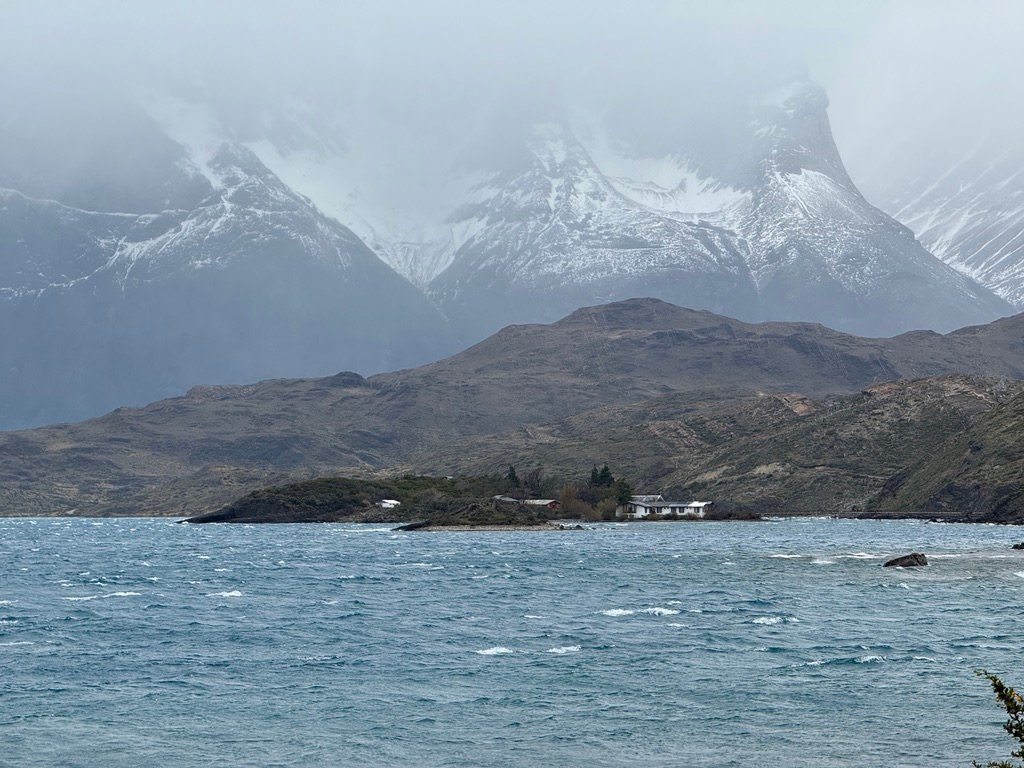
The W Trek is Patagonia’s most recognized hiking route, running through the central valleys of Torres del Paine National Park. The trail forms a W shaped path that branches into three major valleys, each defined by glaciers, granite walls, and alpine lakes. Landscapes shift daily from open plains to steep mountain corridors, maintaining strong visual momentum across the W Trek Hiking Tour.
Why the W Trek Is Considered One of the Best Hiking Tours
The W Trek combines iconic Patagonia landmarks with reliable infrastructure and clear trail management. Valle del Francés, Grey Glacier, and Mirador Las Torres deliver high impact scenery without technical climbing requirements. Consistent trail quality, refuge access, and regulated park entry place the W Trek Hiking Tour among the most balanced and accessible premier hikes in Patagonia.W Trek Highlights
- Granite towers rising above Laguna Torres at sunrise
- Valle del Francés amphitheater with hanging glaciers and avalanche paths
- Grey Glacier viewpoints overlooking floating icebergs
- Turquoise lakes framed by Paine massif ridgelines
- Frequent wildlife sightings (guanacos, foxes, Andean condors)
80 KM
Distance4 to 5 Days
DurationModerate
DifficultyUp to 1,200 meters
ElevationReady to Experience the W Trek in Torres del Paine?
Walk granite towers, glaciers, and turquoise lakes with professional guides. Reserve limited seasonal departures early.
Overview of the O Circuit Hiking Tour
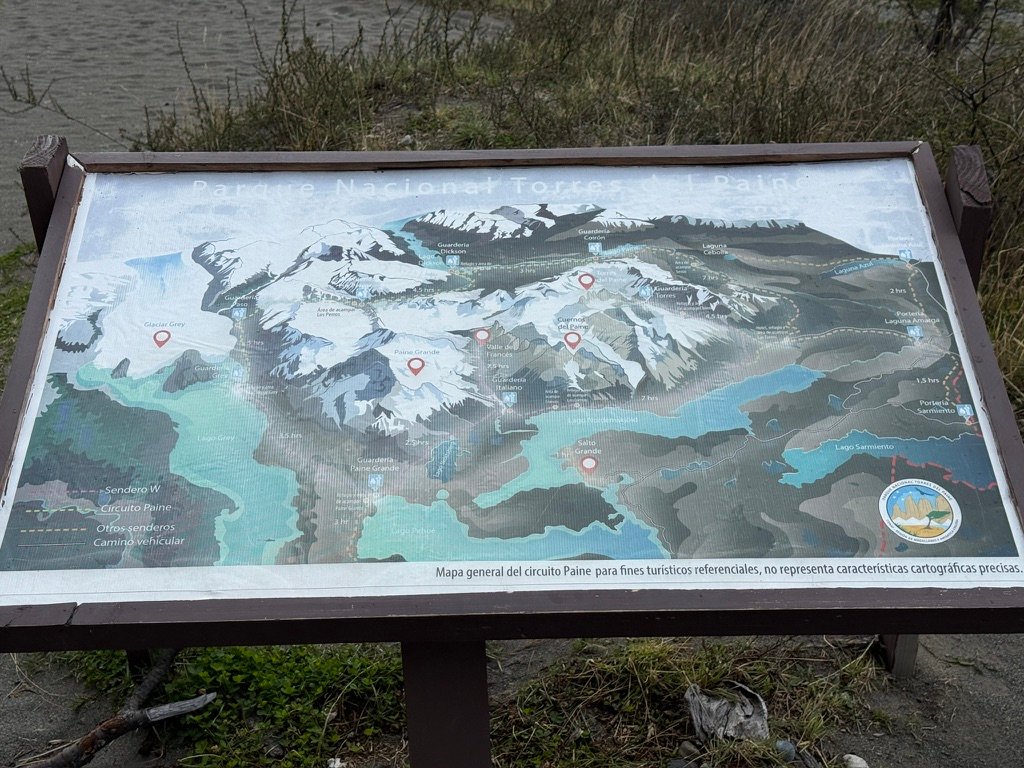
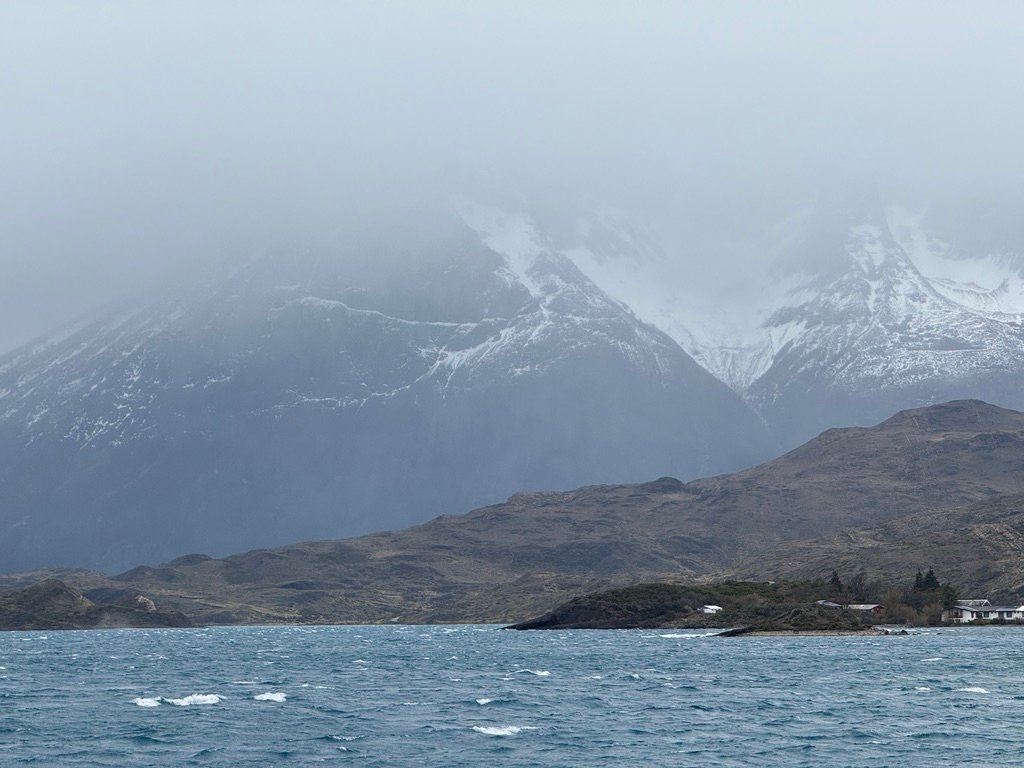
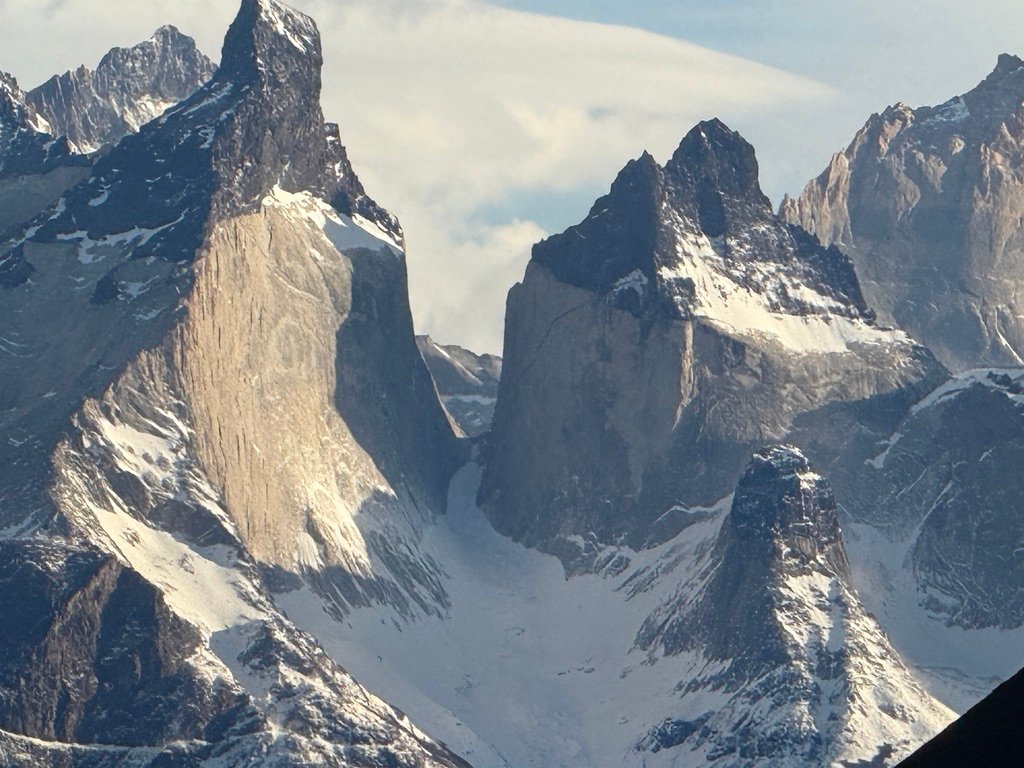
The O Circuit is the most complete trekking route in Torres del Paine National Park, forming a full loop around the Paine massif. The trail passes through remote valleys, high mountain passes, and expansive glacier zones beyond the crowded core routes. Daily environments shift from forested valleys to exposed alpine terrain, creating a continuous sense of progression in the O Circuit Hiking Tour.
Why the O Circuit Is Considered One of the Best Hiking Tours
The O Circuit delivers deeper immersion into Patagonia through long distance continuity and reduced trail traffic. John Gardner Pass and the Northern Ice Field section provide dramatic scale and solitude unavailable on shorter routes. The O Circuit Hiking Tour has backcountry refugios and regulated access preserve wilderness character while supporting extended multi day trekking.O Circuit Highlights
- John Gardner Pass overlooking the Southern Patagonian Ice Field
- Remote northern valleys with minimal foot traffic
- Grey Glacier views from elevated ridgelines
- Long distance wilderness continuity across the full Paine massif
- Stronger wildlife presence in less visited park sections
130 KM
Distance7 to 9 days
DurationChallenging
Difficulty1,200 meters cumulative gain
ElevationReady to Complete the Full O Circuit?
Circle Torres del Paine on a multi-day expedition built for serious trekkers. Secure permits and guided spots ahead of demand.
Overview of the Laguna de los Tres Hiking Tour
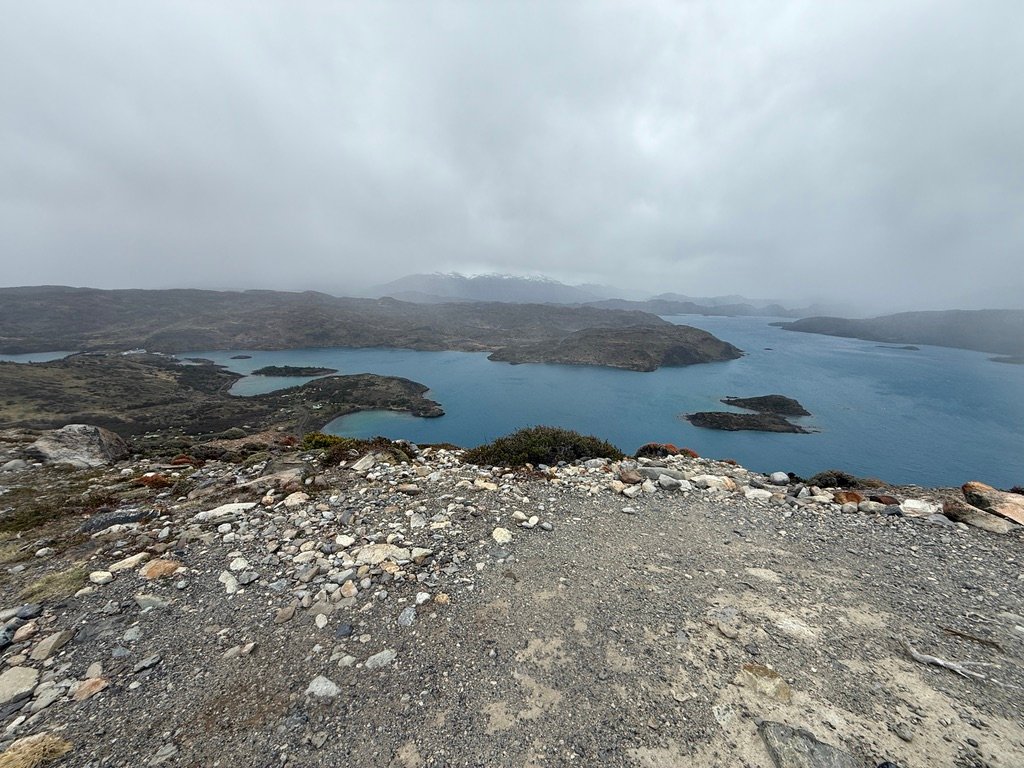
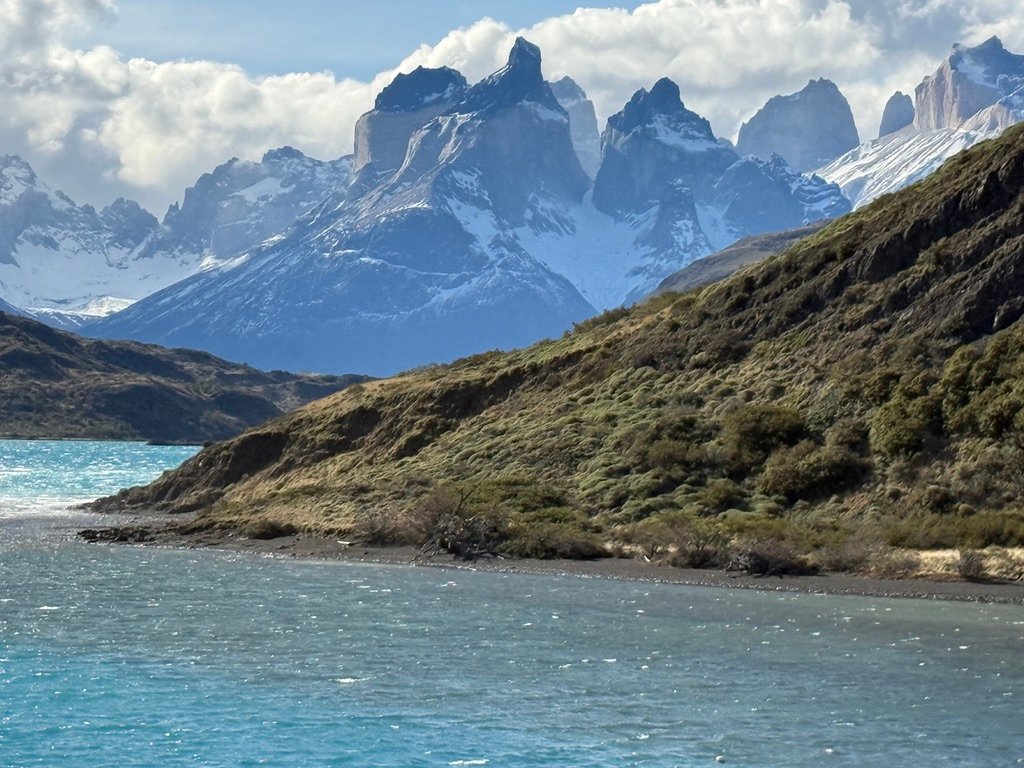
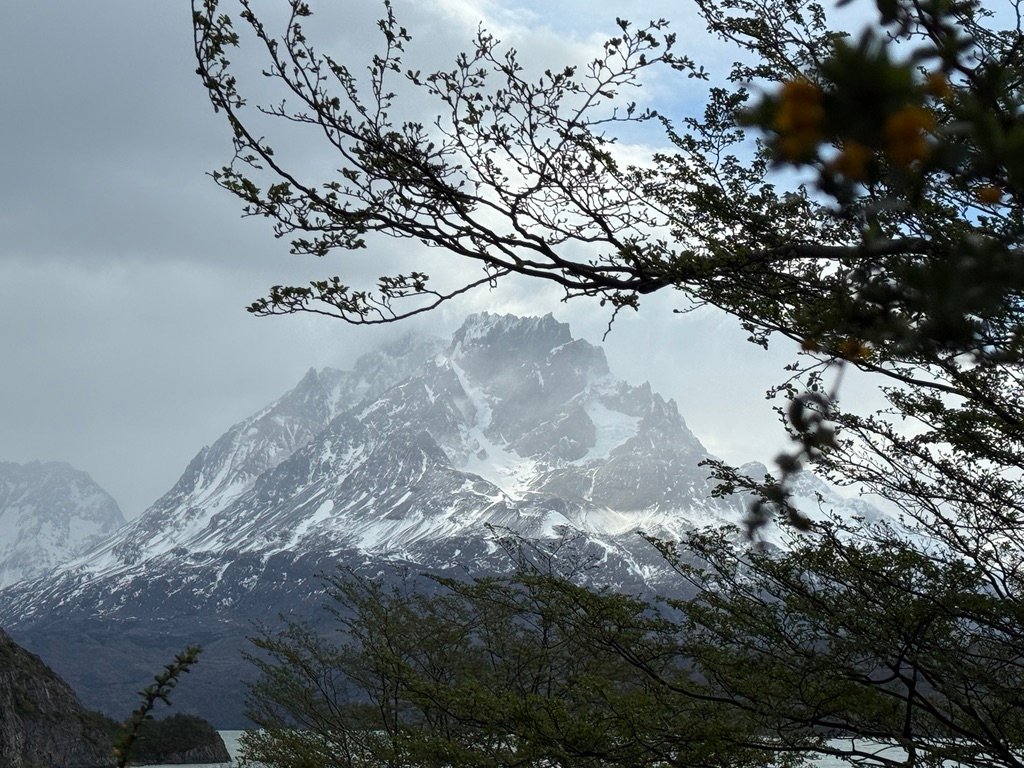
Laguna de los Tres is the signature hike from El Chaltén, leading directly to a glacial lake beneath Cerro Fitz Roy’s granite spires. The Laguna de los Tres Hiking Tour moves through lenga forests, open river valleys, and exposed alpine slopes before reaching the final ascent. Scenery intensity increases steadily, culminating in a high impact viewpoint.
Why the Laguna de los Tres Is Considered One of the Best Hiking Tours
Laguna de los Tres delivers one of Patagonia’s most dramatic viewpoints within a single hiking day. The steep final climb rewards effort with a direct, unobstructed view of Fitz Roy rising above a turquoise glacial lake. Accessibility from El Chaltén and exceptional visual payoff place the Laguna de los Tres among Patagonia’s elite hikes.Laguna de los Tres Highlights
- Cerro Fitz Roy granite spires rising above the lagoon
- Steep final ascent with panoramic alpine views
- Glacial lake reflections during clear weather
- Sunrise photography conditions near the viewpoint
- Condor sightings along exposed ridge sections
25 kilometers round trip
Distance1 day or overnight option
DurationChallenging
Difficulty1,000 meters gain
ElevationReady to Hike to Laguna de los Tres?
Reach the iconic Fitz Roy viewpoint on a guided El Chaltén day hike. Book prime weather windows in advance.
Overview of the Laguna Torre Hiking Tour
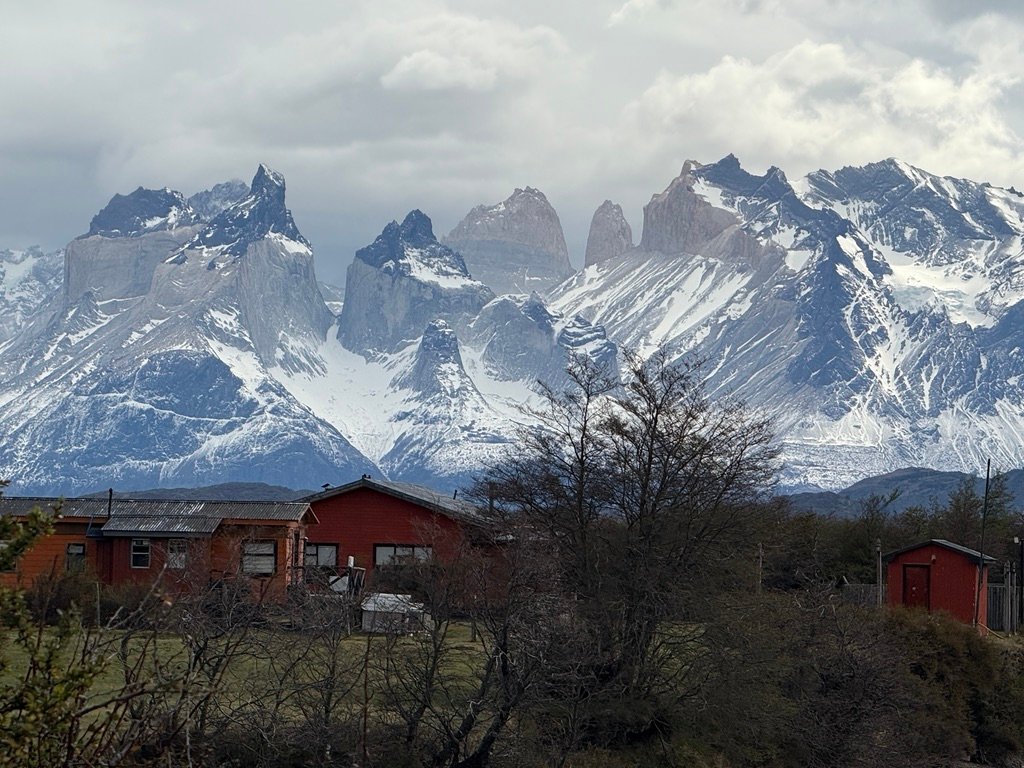
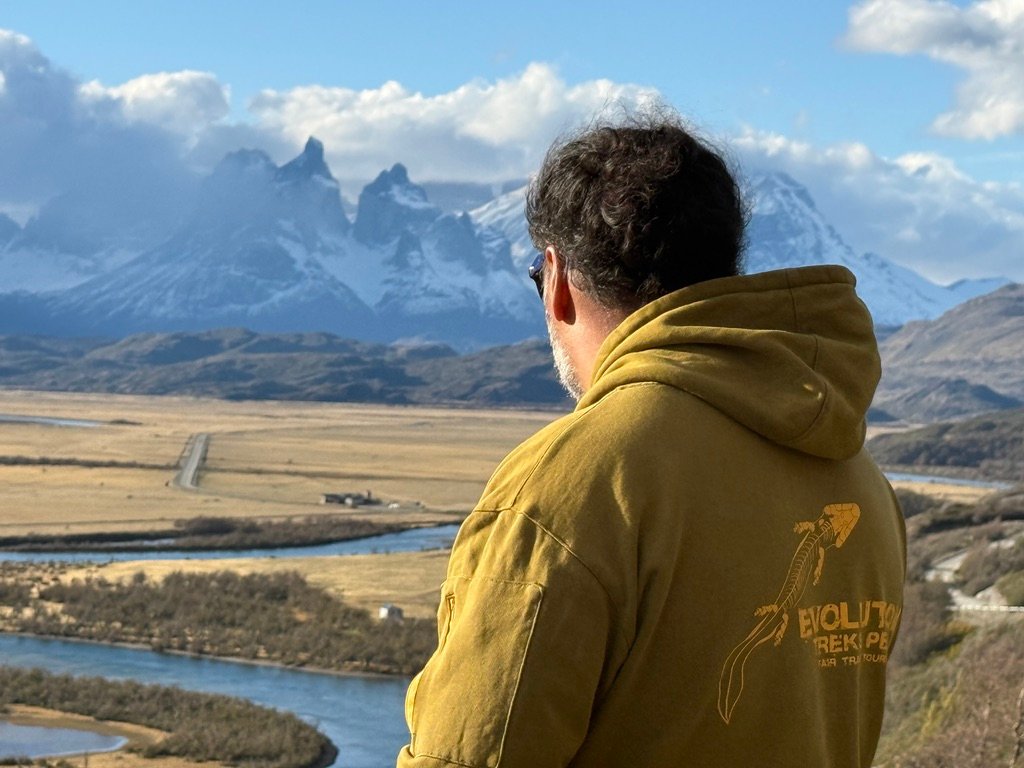
Laguna Torre follows a broad glacial valley from El Chaltén toward the base of Cerro Torre. The trail crosses river plains, moraine fields, and open viewpoints with constant exposure to ice fields and sharp granite peaks. Terrain remains gradual for most of the Laguna Torre Hiking Tour, allowing sustained visual engagement without steep climbs.
Why the Laguna Torre Is Considered One of the Best Hiking Tours
Laguna Torre offers glacier dominated scenery with moderate physical demand, making the experience accessible while visually striking. Cerro Torre’s needle like summit, floating icebergs, and the Torre Glacier create a dramatic setting without technical terrain. Consistent trail quality and direct access from El Chaltén secure the Laguna Torre Hiking Tour’s status among Patagonia’s top hikes.Laguna Torre Highlights
- Cerro Torre summit rising sharply above the valley
- Torre Glacier calving into the lagoon
- Icebergs scattered across the glacial lake
- Wide valley views framed by granite spires
- Strong wind shaped Patagonian landscape character
22 kilometers round trip
Distance1 day
DurationModerate
DifficultyAround 500 meters gain
ElevationReady to Discover Laguna Torre?
Follow glacial valleys to Cerro Torre reflections with experienced trail leaders. Lock in guided hikes during peak visibility months.
Overview of the Fitz Roy Trek Hiking Tour
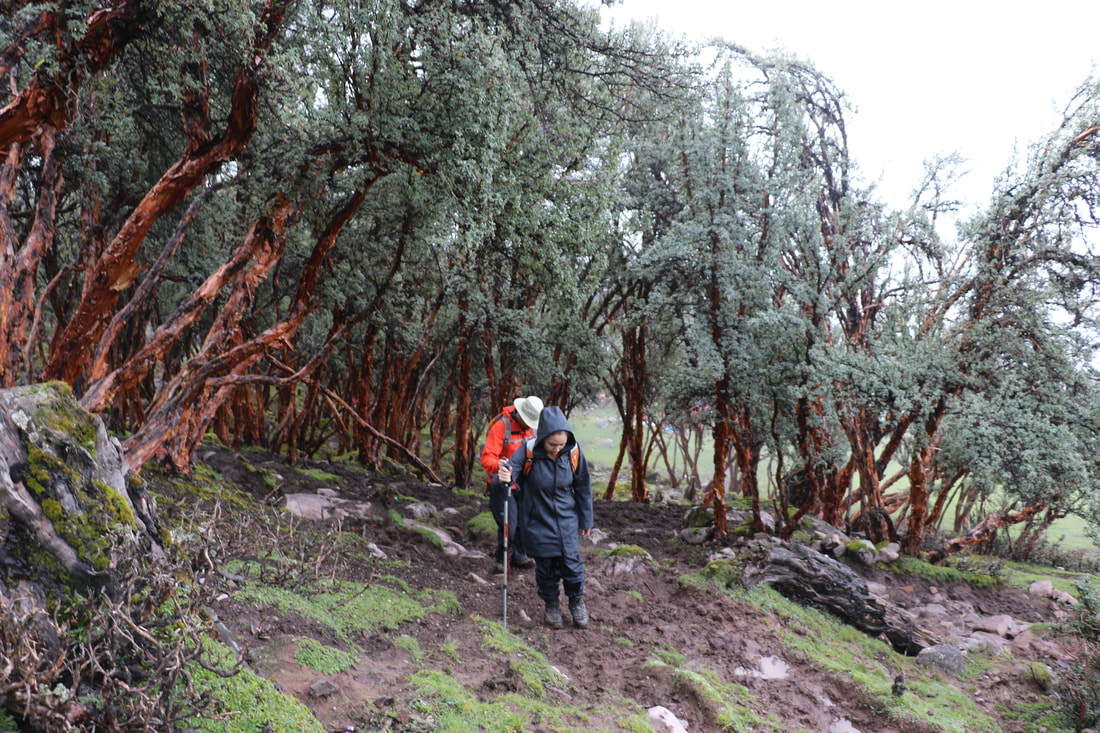
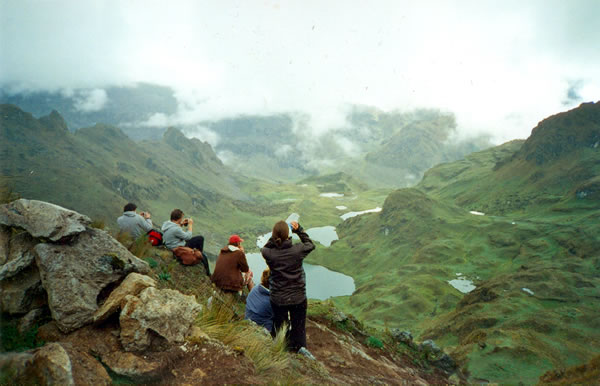
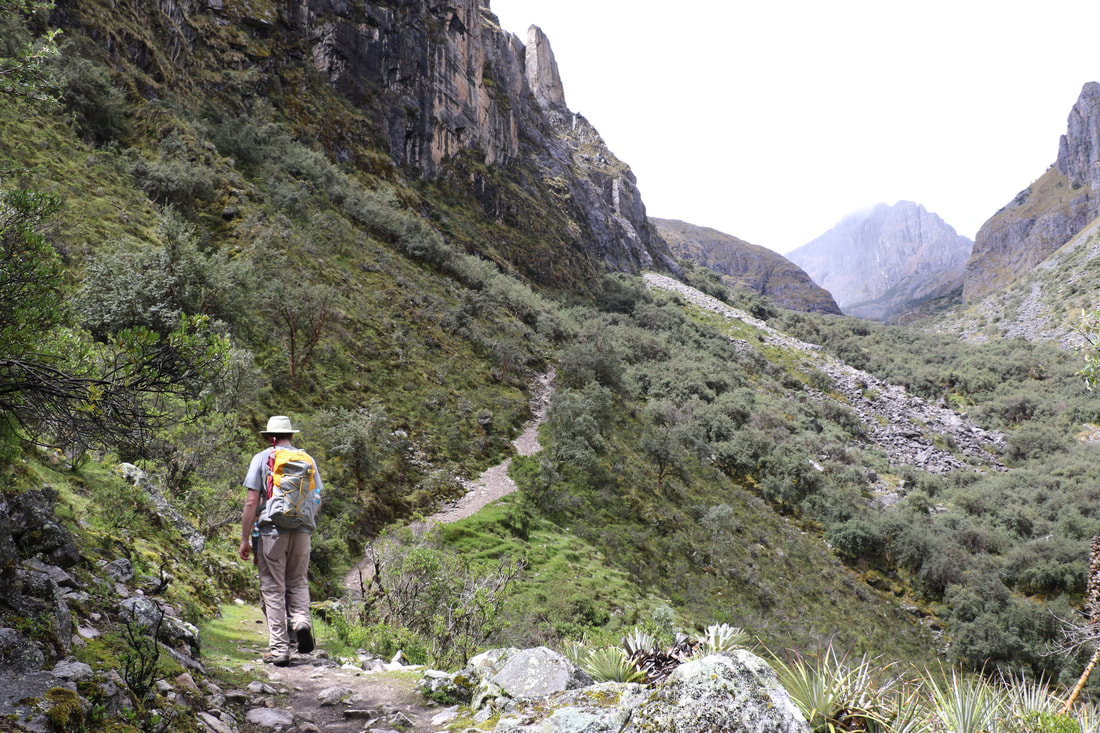
Fitz Roy Trek refers to a network of interconnected trails radiating from El Chaltén around the Cerro Fitz Roy massif. The route system links alpine lakes, river valleys, forested paths, and elevated viewpoints with constant exposure to granite spires. Terrain variety defines the experience, offering changing perspectives throughout the Fitz Roy Trek Hiking Tour.
Why the Fitz Roy Trek Is Considered One of the Best Hiking Tours
Fitz Roy Trek delivers sustained access to Patagonia’s most iconic mountain skyline across multiple days. Trail flexibility supports varied pacing while maintaining continuous scenery. Proximity to El Chaltén, combined with high concentration of viewpoints and alpine features, positions the Fitz Roy Trek Hiking Tour among Patagonia’s most rewarding hiking experiences.Fitz Roy Trek Highlights
- Cerro Fitz Roy granite massif dominating the skyline
- Laguna Capri and Laguna Madre viewpoints
- Forest sections transitioning into exposed alpine terrain
- Glacier fed rivers and moraine landscapes
- Changing light conditions across spires throughout the day
40 to 60 kilometers
Distance2 to 4 days
DurationModerate to challenging
DifficultyUp to 1,200 meters gain
ElevationReady to Trek Mount Fitz Roy Trails?
Explore Patagonian alpine terrain through El Chaltén signature routes. Join expert-led itineraries with limited group sizes.
Overview of the Cerro Torre Trek Hiking Tour
Cerro Torre Trek follows the eastern approaches toward Cerro Torre, one of Patagonia’s most dramatic granite formations. The trail moves through wide glacial valleys, moraine fields, and wind shaped plains with constant views of sharp peaks and ice flows. Cerro Torre Trek Hiking Tour’s terrain emphasizes long sightlines and glacier proximity rather than steep elevation gain.
Why the Cerro Torre Trek Is Considered One of the Best Hiking Tours
Cerro Torre Trek delivers close range glacier scenery and one of Patagonia’s most distinctive mountain silhouettes without technical climbing. The route offers sustained visual drama across a manageable profile. Direct access from El Chaltén and strong trail definition reinforce the Cerro Torre Hiking Tour’s reputation as a premier Patagonian hike.Cerro Torre Trek Highlights
- Cerro Torre needle shaped summit dominating the skyline
- Grande Glacier flowing along the valley floor
- Laguna Torre viewpoints with floating icebergs
- Expansive moraine and ice field landscapes
- Clear perspectives of Patagonian wind sculpted terrain
22 to 24 kilometers round trip
Distance1 to 2 days
DurationModerate
Difficulty500 to 600 meters gain
ElevationReady to Approach Cerro Torre on Foot?
Hike one of Patagonia most dramatic landscapes alongside seasoned guides. Secure departures aligned with stable conditions.
Overview of the Mirador Las Torres Hiking Tour
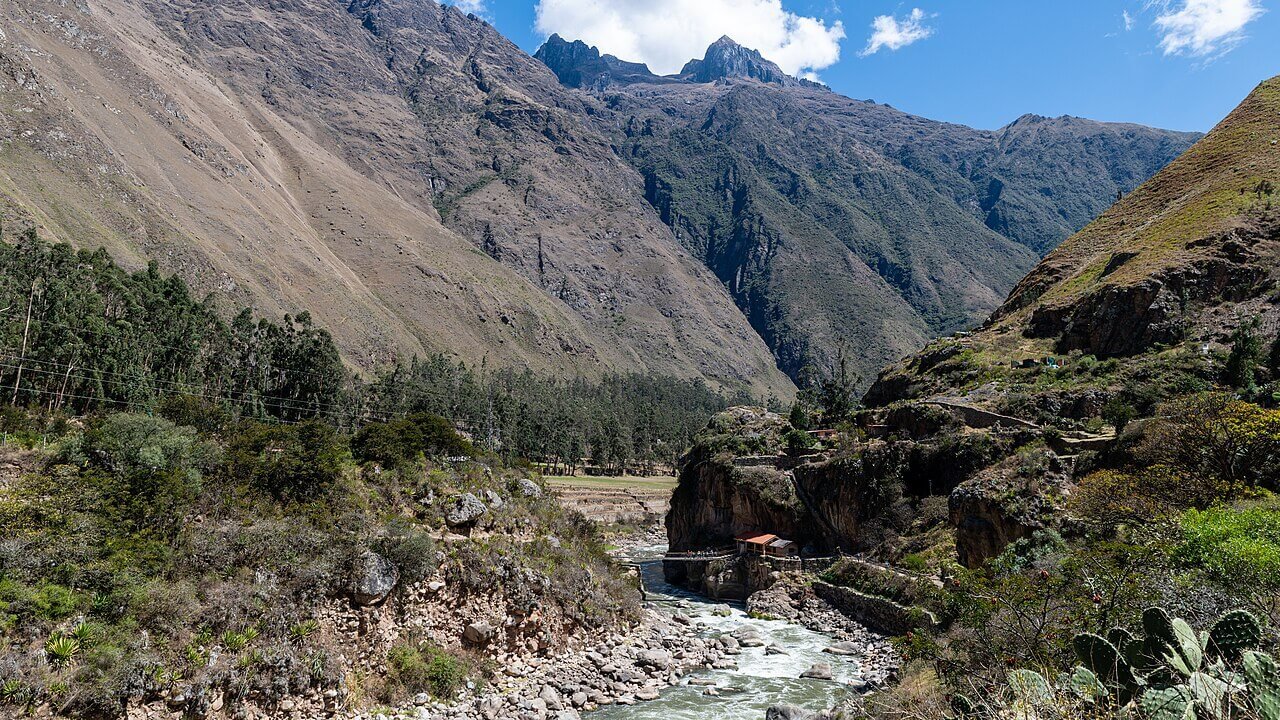
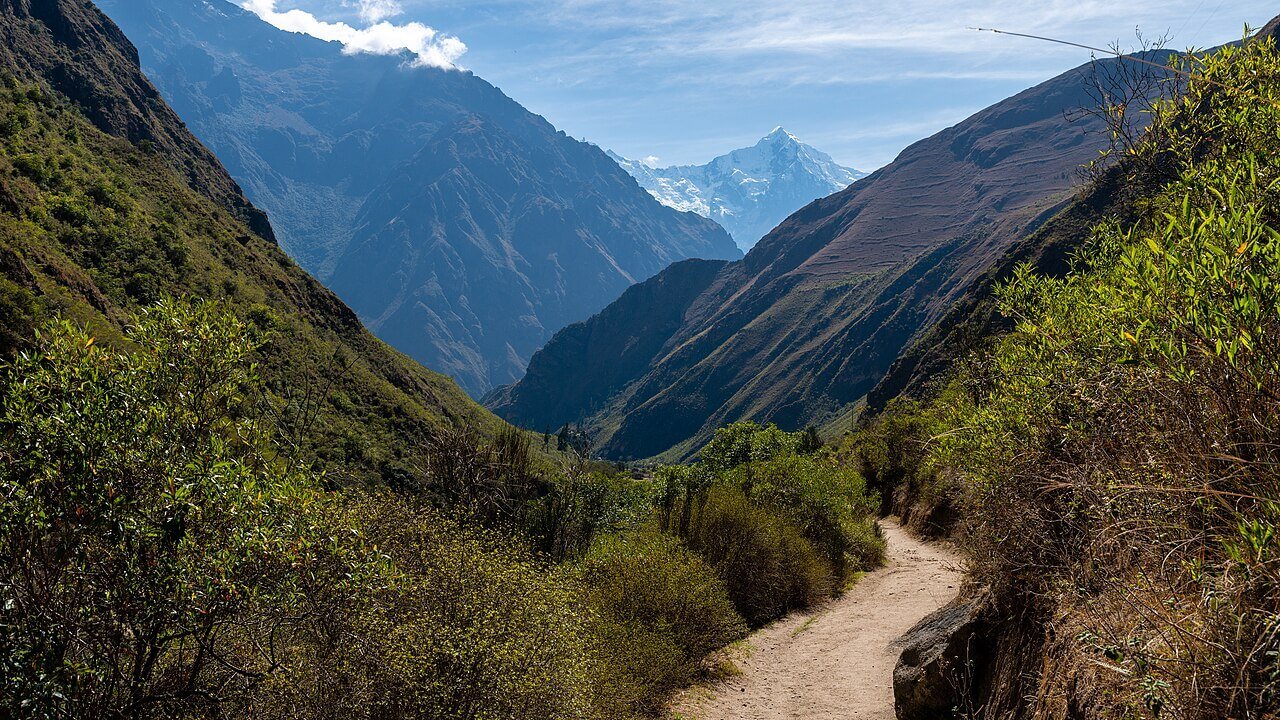
Mirador Las Torres is a direct ascent to the base of the Torres del Paine granite towers inside Torres del Paine National Park. The trail climbs through lenga forest, glacial river crossings, and a steep moraine approach before reaching the final viewpoint. Visual intensity concentrates at the Mirador Las Torres Hiking Tour’s summit overlook.
Why the Mirador Las Torres Is Considered One of the Best Hiking Tours
Mirador Las Torres delivers the most iconic single viewpoint in Torres del Paine. The steep final climb culminates at a glacial lake framed by three vertical granite towers, creating a dramatic reward for the physical effort. Direct access, clear trail marking, and concentrated scenic payoff establish Mirador Las Torres Hiking Tour as a defining Patagonia hike.Mirador Las Torres Highlights
- Granite towers rising vertically above Laguna Torres
- Steep moraine ascent with expanding valley views
- Sunrise light reflecting off the Paine towers
- Glacial river crossings along the lower valley
- Condor sightings above exposed ridgelines
20 kilometers round trip
Distance1 day
DurationChallenging
DifficultyAround 900 meters gain
ElevationReady to Reach Mirador Las Torres at Sunrise?
Climb to the base of the granite towers at peak light conditions. Reserve guided ascents for optimal timing.
Overview of the Grey Glacier Trail Hiking Tour
Grey Glacier Trail follows the western edge of the Southern Patagonian Ice Field inside Torres del Paine National Park. The route traverses windswept ridgelines, forested sections, and elevated viewpoints overlooking a vast glacier tongue and drifting icebergs. Constant exposure to ice and scale defines the experience in Grey Glacier Trail Hiking Tour.
Why the Grey Glacier Trail Is Considered One of the Best Hiking Tours
Grey Glacier Trail provides sustained, close range views of one of Patagonia’s most massive ice formations. Elevated overlooks reveal the glacier’s depth, movement, and iceberg filled waters without technical terrain. Reliable trail structure and integration with the W Trek corridor position the Grey Glacier Trail Hiking Tour as a standout glacier focused hike.Grey Glacier Trail Highlights
- Panoramic viewpoints above Grey Glacier
- Icebergs floating across Grey Lake
- Direct exposure to the Southern Patagonian Ice Field
- Wind sculpted ridgelines with expansive sightlines
- Dramatic contrasts between ice, forest, and open plains
22 to 25 kilometers round trip
Distance1 to 2 days
DurationModerate
Difficulty600 to 700 meters gain
ElevationReady to Walk the Grey Glacier Trail?
Trace ice fields and suspension bridges inside Torres del Paine National Park. Book guided treks before high-season sellouts.
Overview of the Dientes de Navarino Hiking Tour
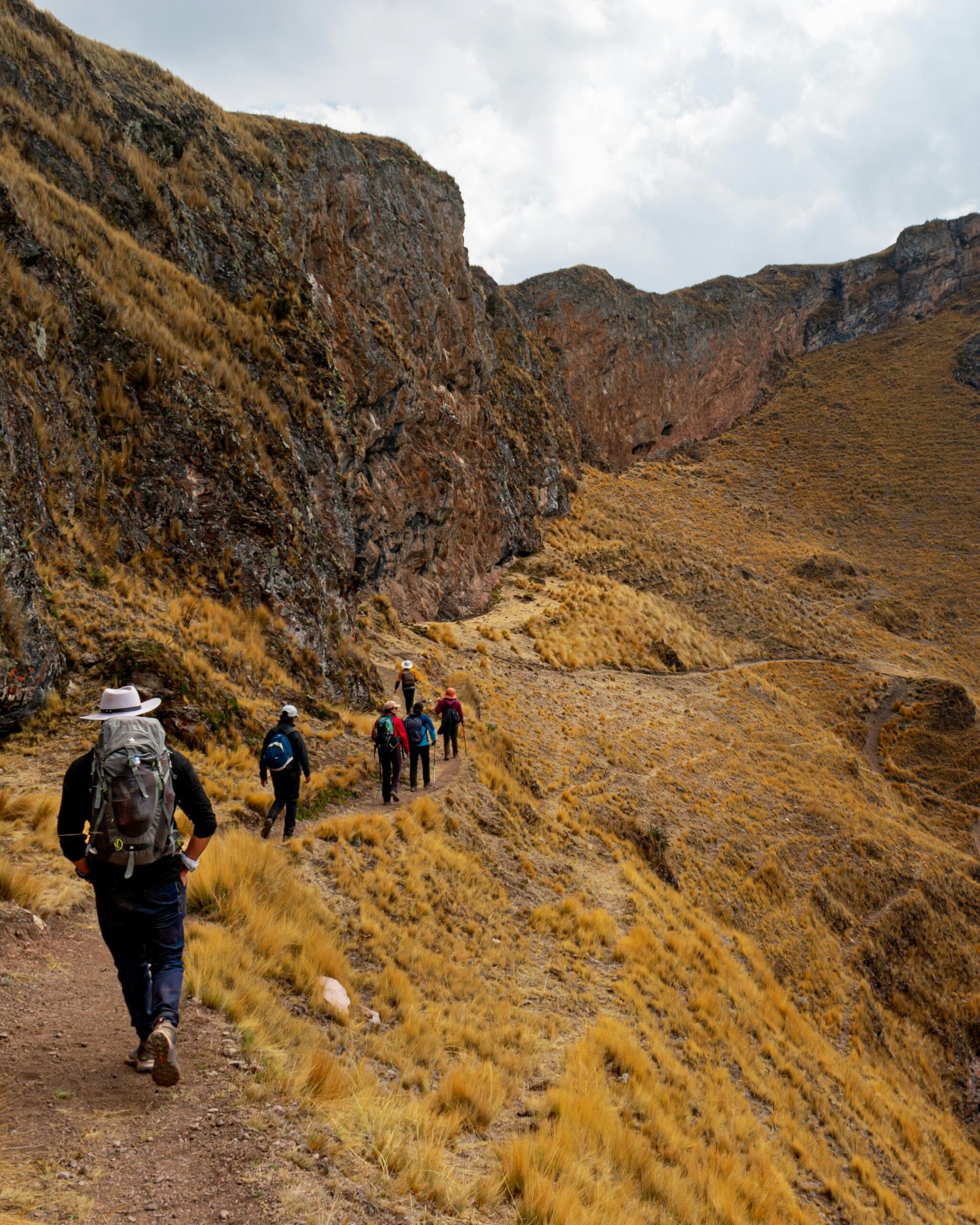
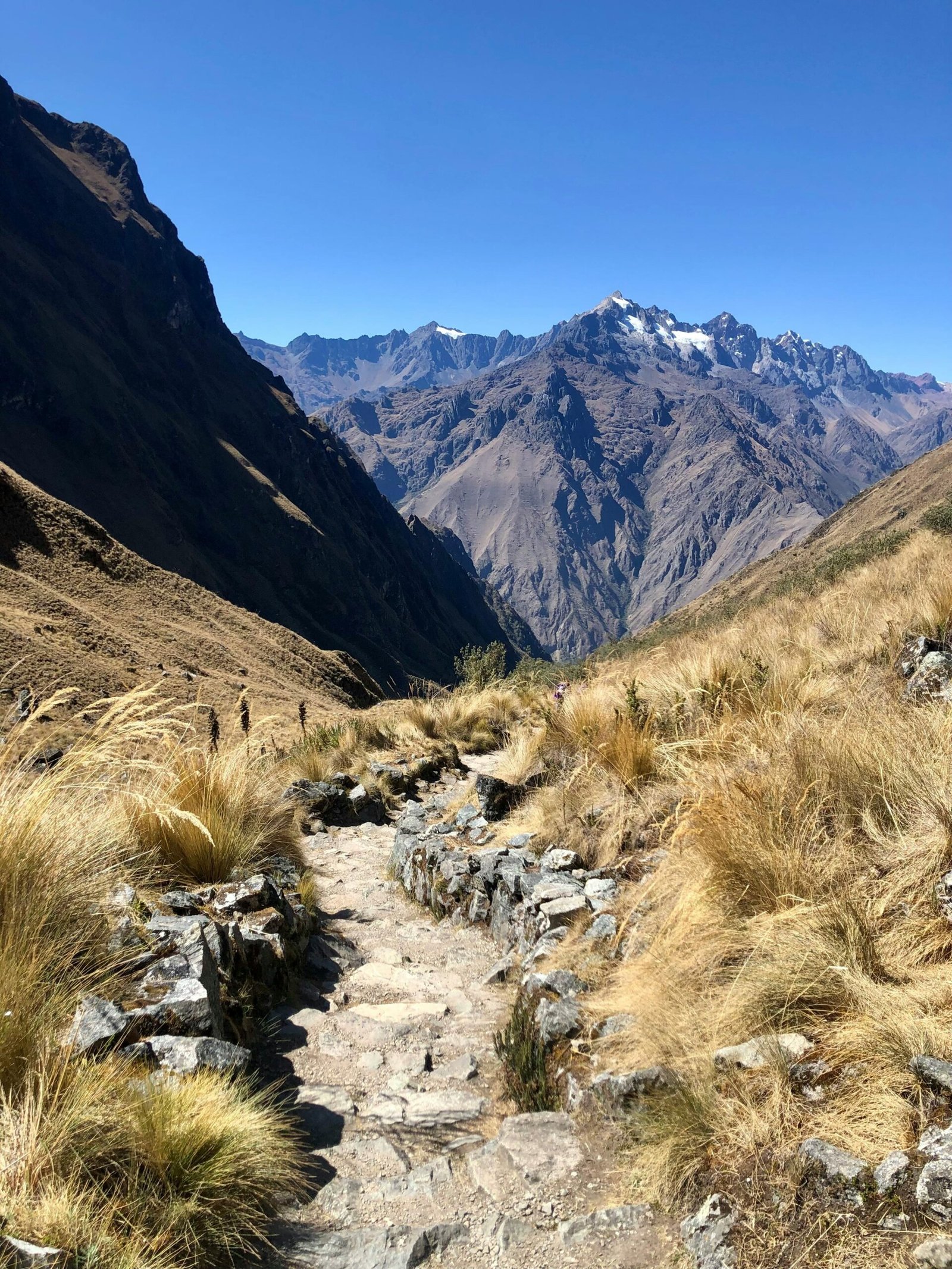
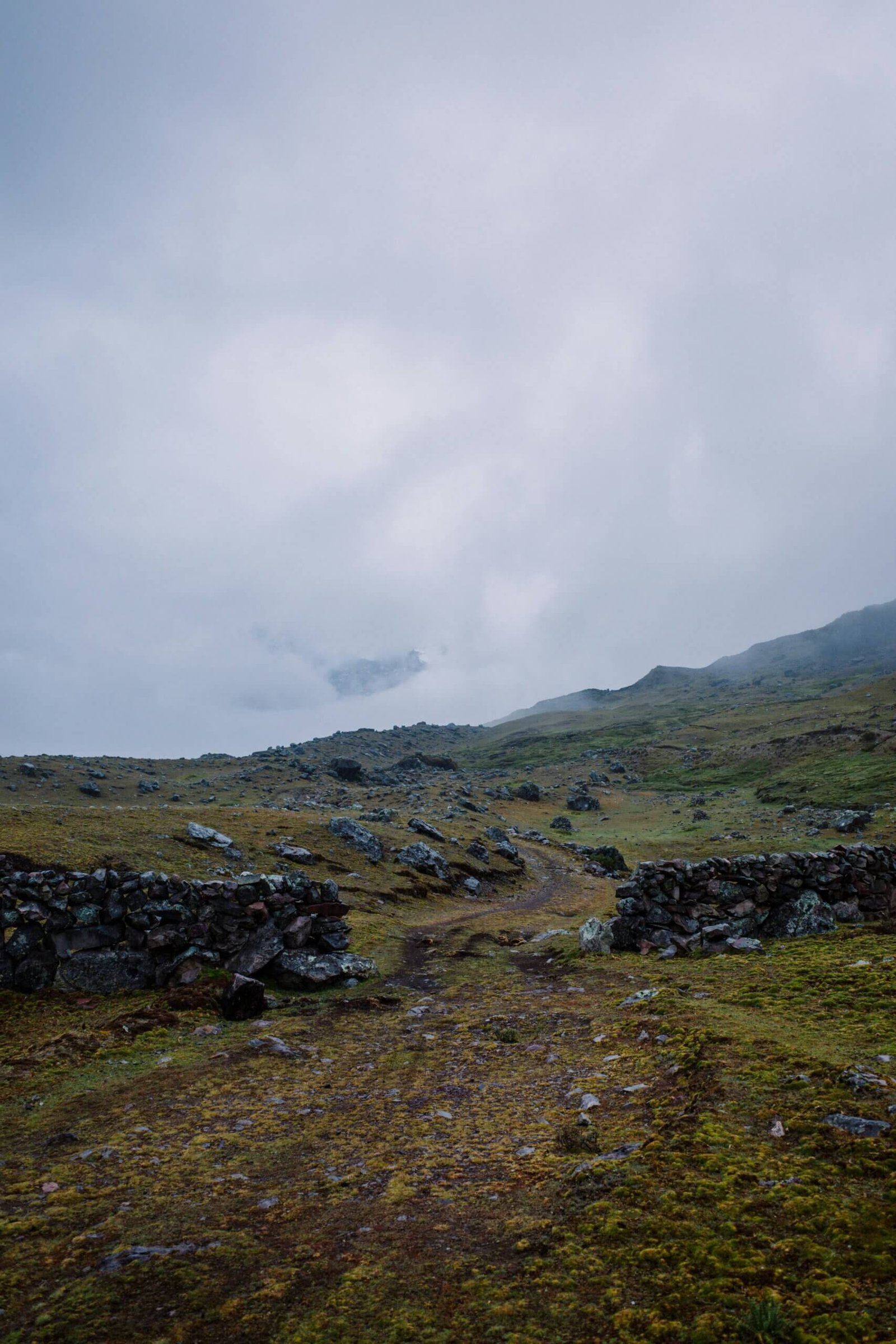
Dientes de Navarino crosses the southernmost mountain range on Earth on Navarino Island near Cape Horn. The route moves through sharp ridgelines, alpine lakes, peat bogs, and exposed passes shaped by extreme southern weather. Isolation and raw terrain define every stage of the Dientes de Navarino Hiking Tour.
Why the Dientes de Navarino Is Considered One of the Best Hiking Tours
Dientes de Navarino delivers unmatched remoteness and technical challenge within Patagonia. The route demands strong navigation skills, weather awareness, and physical resilience. Southern latitude, minimal infrastructure, and dramatic mountain profiles position the Dientes de Navarino Hiking Tour among Patagonia’s most demanding and rewarding wilderness treks.Dientes de Navarino Highlights
- Jagged tooth shaped mountain ridges
- Remote alpine lakes with uninterrupted solitude
- Frequent weather shifts creating dramatic skies
- Minimal trail markings emphasizing expedition character
- Southernmost trekking environment on the planet
40 to 45 kilometers
Distance4 to 5 days
DurationAdvanced
DifficultyAround 1,000 meters gain
ElevationReady to Tackle the Dientes de Navarino Circuit?
Cross the southernmost trekking route on Earth with expert expedition support. Confirm logistics early for limited access windows.
Overview of the Cerro Castillo Trek Hiking Tour
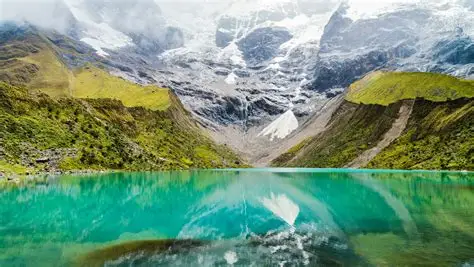
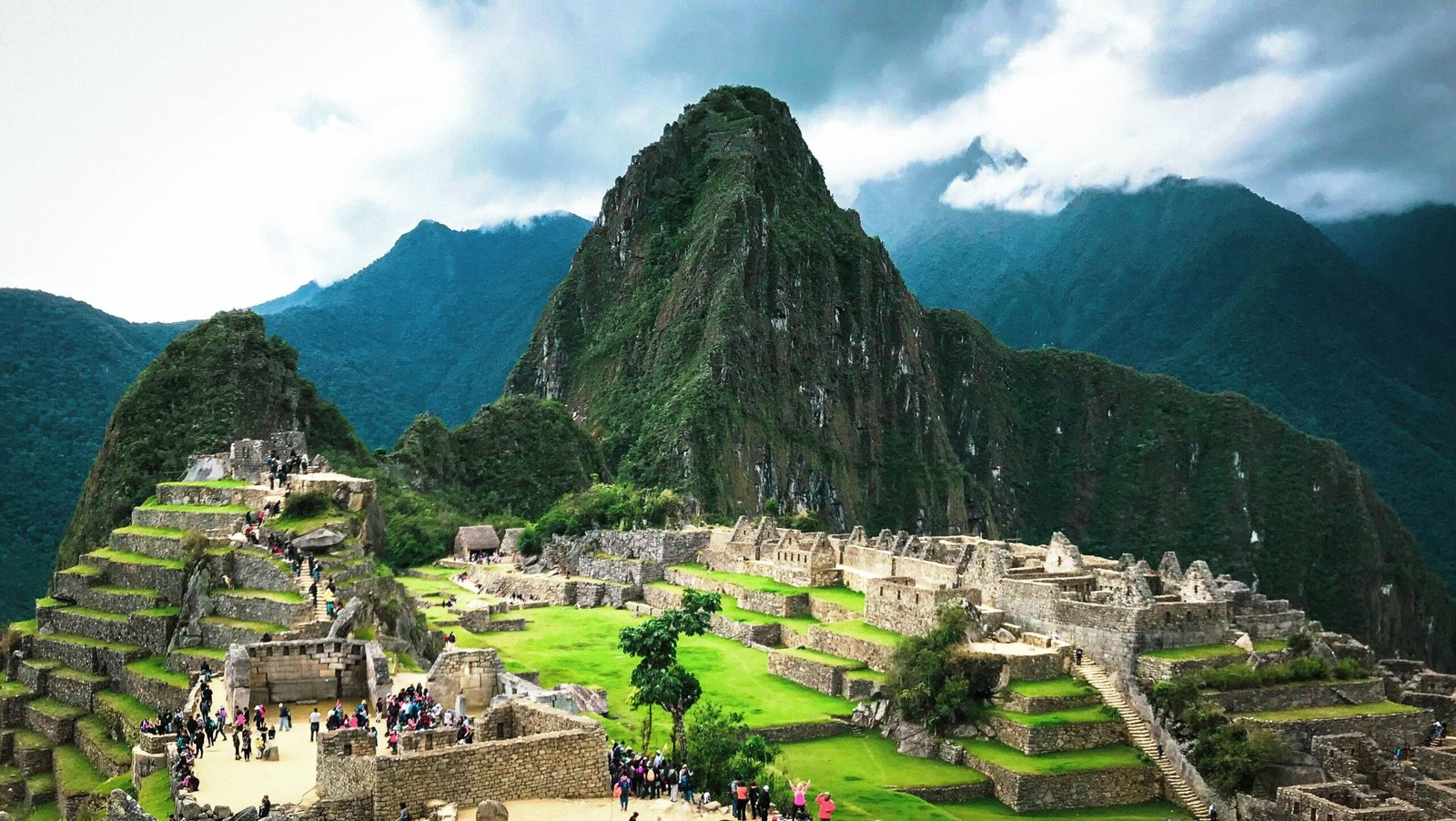
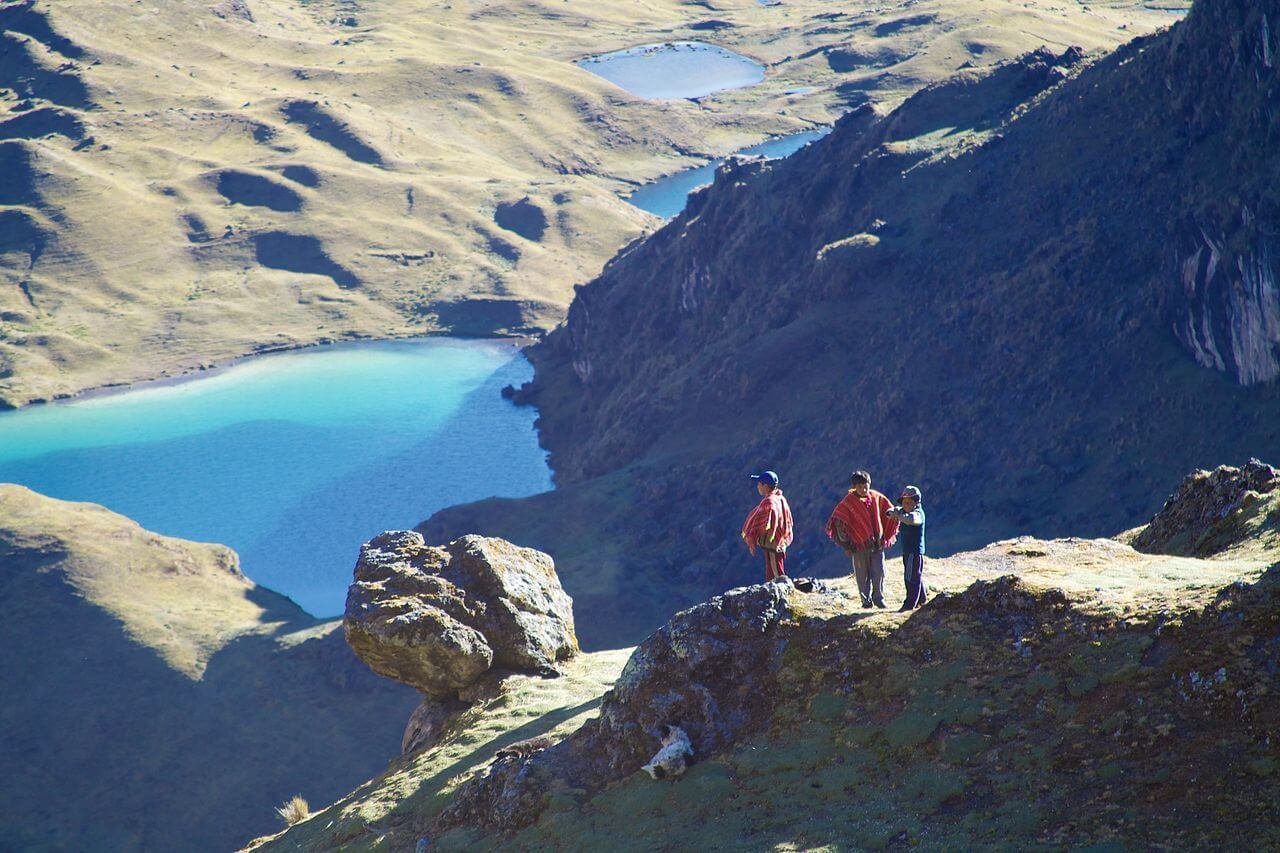
Cerro Castillo Trek runs through Cerro Castillo National Park in Chilean Patagonia, passing beneath sharp ridgelines and turquoise alpine lagoons. The route crosses valleys, mountain passes, and open meadows shaped by glaciers and wind. Scenery remains consistently dramatic with fewer visitors than major park circuits in Cerro Castillo Trek Hiking Tour.
Why the Cerro Castillo Trek Is Considered One of the Best Hiking Tours
Cerro Castillo Trek delivers Torres del Paine–level scenery with stronger solitude and a wilder trail atmosphere. Laguna Cerro Castillo and surrounding ridges create sustained visual impact across the route. Lower crowd density, clear trail flow, and striking granite formations position the Cerro Castillo Trek among Patagonia’s most underrated premier hikes.Cerro Castillo Trek Highlights
- Jagged Cerro Castillo ridgeline dominating the skyline
- Laguna Cerro Castillo with deep turquoise water
- High mountain passes opening to wide valley views
- Wildflower meadows and glacial runoff streams
- Strong sense of isolation within a protected landscape
50 kilometers
Distance3 to 4 days
DurationModerate to challenging
DifficultyAround 1,500 meters gain
ElevationReady to Explore Cerro Castillo National Park?
Trek jagged peaks and remote valleys with certified Patagonian guides. Secure permits and departures while availability remains.
Our Best Patagonia Travel and Guide Packages
Our best Patagonia Travel and Guide Packages are listed below.
- Trekking Adventures Packages: The Trekking Adventures Packages focus on multi day hikes across Torres del Paine, El Chaltén, and remote Patagonian valleys. Routes emphasize mountain trails, glacier viewpoints, and structured refuge or camp based accommodation. Daily distances balance physical challenge and recovery. Trail sequencing follows weather patterns and terrain difficulty.
- Luxury Tours Packages: The Luxury Tours Packages deliver high end travel through Patagonia using premium lodges, private transport, and personalized guiding. The experience prioritizes comfort, flexible pacing, and exclusive access to iconic landscapes. Accommodations offer panoramic settings and refined service. Private logistics support smooth transitions between destinations.
- Wildlife Safari Packages: The Wildlife Safari Packages center on observing Patagonian fauna across steppe, coastal, and mountain ecosystems. Itineraries highlight guanacos, condors, penguins, and marine wildlife within protected environments. Viewing locations align with seasonal movement patterns. Guides support ethical observation and minimal disturbance.
- Glacier Expeditions Packages: The Glacier Expeditions Packages provide direct access to Patagonia’s ice fields, glacier fronts, and frozen landscapes. Activities include guided glacier walks, ice viewpoints, and navigation through glacial terrain. Routes emphasize safety, scale, and ice dynamics. Specialized equipment supports controlled movement on ice.
- Photography Tours Packages: The Photography Tours Packages design daily schedules around optimal light, weather windows, and scenic positioning. Routes emphasize sunrise and sunset locations, dramatic landscapes, and wildlife observation points for visual storytelling. Small group sizes improve positioning flexibility. Guides assist with location timing and terrain access.
Overview of Trekking Adventures Packages
Trekking Adventures Packages focus on guided multi-day hikes across Patagonia’s most iconic trail systems. Routes prioritize mountain corridors, glacier viewpoints, and national park landscapes with structured daily progress. Itineraries balance physical challenge and recovery through carefully planned distances and elevation profiles. Trail selection reflects seasonal conditions, weather patterns, and park regulations. The Trekking Adventures Packages’ professional guiding supports route navigation, safety awareness, and environmental stewardship across remote terrain.
What Is Included in Trekking Adventures Packages
- Guided trekking with certified local guides
- Accommodation in refugios or campsites
- Park permits and trail access coordination
- Meals during trekking days
- Scheduled photo and viewpoint stops
- Ground transportation between trailheads
Overview of Luxury Tours Packages
Luxury Tours Packages deliver refined travel experiences across Patagonia using premium lodges, private transportation, and personalized guiding. The itineraries emphasize comfort, flexible pacing, and exclusive access to iconic landscapes while maintaining scenic depth. Accommodations feature panoramic views of mountains, glaciers, or lakes paired with high service standards. Private logistics reduce transfer time and allow smooth movement across remote regions. The Luxury Tour Packages is carefully paced days preserve relaxation while maintaining consistent access to Patagonia’s signature scenery.
What Is Included in Luxury Tours Packages
- Private guided excursions with experienced local guides
- Luxury lodge accommodations with panoramic settings
- Private ground transportation and internal transfers
- All meals featuring regional cuisine
- Curated scenic stops and cultural visits
- Park permits and itinerary coordination
Overview of Wildlife Safari Packages
Wildlife Safari Packages focus on observing Patagonia’s native fauna across steppe, coastal, and mountainous ecosystems. Itineraries prioritize habitat specific routes, seasonal movement patterns, and controlled observation environments within protected areas. Viewing schedules align with peak activity periods to increase sighting opportunities. Routes maintain ethical distance standards to protect wildlife behavior. The Wildlife Safari Packages’s experienced guides provide ecological context and species identification throughout each excursion.
What Is Included in Wildlife Safari Packages
- Guided wildlife excursions with expert naturalist guides
- Accommodation near key wildlife corridors
- Transportation to steppe, coastal, and park regions
- Scheduled wildlife viewing sessions and tracking walks
- All meals during safari days
- Park access permits and logistics coordination
Overview of Glacier Expeditions Packages
Glacier Expeditions Packages focus on direct exploration of Patagonia’s ice fields, glacier fronts, and frozen landscapes. The itineraries emphasize close range glacier access, controlled ice travel, and engaging exposure to large scale glacial environments. Routes follow established glacier zones under strict safety protocols. The Glacier Expeditions Packages’ specialized equipment and trained guides support stable movement across ice surfaces. Daily planning reflects weather patterns and glacier conditions to maintain consistent access and visibility.
What Is Included in Glacier Expeditions Packages
- Guided glacier walks with certified ice guides
- Specialized glacier equipment and safety gear
- Accommodation near glacier zones
- Transportation to glacier access points
- Meals during expedition days
- Park permits and glacier access coordination
Overview of Photography Tours Packages
Photography Tours Packages focus on capturing Patagonia’s landscapes, wildlife, and dramatic light conditions through carefully timed routes. The itineraries prioritize sunrise and sunset access, weather dependent positioning, and visually striking locations across mountains, glaciers, and open plains. Daily schedules align with seasonal light angles and cloud movement. Route selection emphasizes foreground interest, depth, and scale across varied terrain. The Photography Tours Packages’ small group pacing supports precise positioning and extended shooting windows.
What Is Included in Photography Tours Packages
- Photography focused guiding with location expertise
- Accommodation near prime shooting locations
- Transportation aligned with light and weather windows
- Scheduled sunrise and sunset photography sessions
- Meals during tour days
- Park permits and location access coordination
- Define Travel Objectives. Identify the primary focus of the trip (trekking, wildlife, glaciers, photography). Clear objectives narrow package types and prevent mismatched expectations. Focused intent improves route relevance and daily activity satisfaction.
- Assess Physical Readiness. Evaluate hiking endurance, comfort with elevation gain, and tolerance for multi day activity. Physical alignment determines suitability for trekking circuits versus relaxed guided tours. Accurate assessment reduces fatigue related disruptions.
- Evaluate Seasonal Timing. Match travel dates with Patagonia’s weather patterns and daylight hours. Peak summer suits long treks, while shoulder seasons support wildlife viewing and photography. Seasonal alignment improves safety and visual conditions.
- Review Included Services. Confirm guide credentials, accommodations, meals, transportation, and permits within each package. Complete inclusions reduce logistical gaps in remote regions. Transparent coverage prevents unexpected on route adjustments.
- Consider Group Size and Pace. Select small group or private formats based on pacing preference and privacy expectations. Group structure influences trail access, flexibility, and overall experience flow. Smaller formats support adaptive scheduling.
- Verify Safety and Support Standards. Check emergency planning, communication equipment, and evacuation protocols. Patagonia’s isolation increases the importance of structured safety systems. Documented procedures indicate operational preparedness.
- Align Budget With Experience Level. Balance cost against accommodation type, guide exclusivity, and activity intensity. Higher investment supports comfort, flexibility, and premium access. Budget alignment avoids compromise on core priorities.
- Check Itinerary Continuity. Review route sequencing to avoid excessive transfers or idle days. Strong continuity preserves energy and maximizes scenic exposure. Efficient flow improves overall trip rhythm.
- Confirm Environmental Practices. Choose operators following park regulations and low impact travel principles. Responsible operations protect landscapes and trail access long term. Ethical standards support sustainable tourism continuity.
Best Patagonia Tour and Trips FAQs
- Glacial Formations: Ice trekking across the Grey Glacier or witnessing the thunderous calving of Perito Moreno offers a direct encounter with ancient ice structures. The frozen rivers dominate the landscape and dictate the local climate patterns.
- Granite Spires: The vertical walls of the Paine Massif and the sharp peaks near El Chaltén provide world class scenery for hikers. The rock formations change colors during sunrise and sunset to create dramatic visual displays.
- Southern Wildlife: Encounters with guanacos, rheas, and Andean condors happen during guided excursions. Specialized puma tracking programs increase the possibility of spotting the elusive mountain lion in its natural habitat.
- Cultural Estancias: Visiting traditional sheep ranches allows travelers to understand the pioneering history of the southern frontier. Authentic asados provide a taste of regional culinary traditions while showcasing local hospitality.
- Mirador Las Torres: Reaching the base of the three granite towers requires a steep ascent through the Ascencio Valley. The view features the peaks reflecting in a glacial lagoon at sunrise.
- Laguna de los Tres: The spot offers the most direct view of the Mount Fitz Roy massif in Argentina. The trail culminates in a rocky ridge overlooking two different colored lakes.
- Condor Lookout: Visitors gain a 360 degree view of the Paine Massif and Lake Pehoé from the elevated point. It remains a popular spot for observing large birds of prey catching thermal currents.
- Grey Glacier Lookout: Accessing the point via a catamaran or the W Trek provides a massive perspective of the Southern Patagonian Ice Field. Deep blue crevices and floating icebergs provide intricate details.
- Gaucho Traditions: Local cowboys demonstrate skill in livestock management and horse training across the vast pampas. Their attire and customs reflect a lifestyle unchanged for over a century.
- Estancia Stays: Lodging at working ranches provides insight into the economic history of the southern cone. Guests observe the daily operations of wool production and land stewardship.
- Regional Gastronomy: Sampling Patagonian lamb roasted over an open fire serves as a central social event. The culinary practice brings communities together during festivals and family gatherings.
- Pioneer History: Museums in Punta Arenas and Puerto Natales showcase the maritime explorations and early settlements. Exhibits detail the challenges faced by European immigrants and indigenous populations.
- The Marble Caves: The swirling blue rock formations sit in General Carrera Lake and formed through thousands of years of water erosion. Sunlight reflects off the calcium carbonate walls to create vibrant colors.
- Perito Moreno Glacier: The advancing ice mass remains one of the few stable glaciers in the world. Its front wall reaches heights of seventy meters above the water level.
- Magellanic Fjords: Navigating through narrow channels reveals hidden waterfalls and hanging glaciers. The waterways provide a habitat for marine mammals and rare bird species.
- Petrified Forests: Ancient tree remains in the Argentinian desert provide a glimpse into the prehistoric environment. The fossils turned to stone over millions of years due to volcanic activity.
- Puma Sightings: Tracking the apex predator of the region requires patience and expert guidance. The eastern side of Torres del Paine offers the highest density of mountain lions.
- Commerson’s Dolphins: The small black and white cetaceans frequent the waters of the Strait of Magellan. Their playful behavior makes them a favorite for travelers on boat excursions.
- Huemul Deer: Spotting the endangered south Andean deer requires quiet observation in the dense forests. Conservation efforts focus on protecting their remaining habitat from human encroachment.
- Elephant Seals: Large colonies of the marine mammals gather on the beaches of Península Valdés for breeding. Their size and vocalizations provide a dramatic spectacle for visitors.
- Mount Fitz Roy: Sunrise at Laguna de los Tres captures the granite peak turning a vibrant orange. The reflection in the glacial water provides a symmetrical composition for professional and amateur photographers.
- The Horns of Paine: Views from Lake Nordenskjöld showcase the geological layers of the Cuernos del Paine. Different mineral compositions create contrasting colors that stand out against the turquoise water.
- Perito Moreno Boardwalks: Elevated paths allow for various angles of the five kilometer wide glacier face. Capturing the moment of ice calving requires patience and high shutter speeds.
- Grey Glacier Lookout: Accessing the point via a catamaran or the W Trek provides a massive perspective of the Southern Patagonian Ice Field. Deep blue crevices and floating icebergs provide intricate details for close up shots.
- The W Trek: The route passes through the French Valley and beside the Grey Glacier. It provides a constant view of the granite peaks from different angles.
- Fitz Roy Trek: Walking from El Chaltén to Laguna de los Tres offers a front row seat to the most dramatic mountain skyline in the country. The trail traverses through lenga forests and past glacial streams.
- O Circuit: Completing the full loop around Torres del Paine reveals the less visited northern side of the park. Hikers experience the vastness of the Southern Ice Field from the John Gardner Pass.
- Tierra del Fuego Coastal Trail: Walking along the Beagle Channel provides views of the mountains meeting the sea. The path features unique peat bogs and coastal wildlife.
- Puerto Natales: The port city acts as the jumping off point for Torres del Paine National Park. Travelers find gear shops, regional restaurants, and transportation links to the Chilean fjords.
- El Calafate: Visitors use the town as a base for exploring Los Glaciares National Park in Argentina. The proximity to the airport makes it a convenient starting point for glacier excursions.
- El Chaltén: The village sits at the foot of Mount Fitz Roy known as the hiking capital of Argentina. Trails lead directly from the town center into the mountain range.
- Punta Arenas: The southernmost city serves as a hub for Antarctic flights and penguin colony tours. History enthusiasts explore the maritime heritage and grand architecture from the sheep farming boom.
- Cuernos del Paine: the two toned peaks consist of sedimentary rock capped with dark granite. They dominate the central view of the most popular trekking routes in Chile.
- Perito Moreno Glacier: The advancing ice mass remains one of the few stable glaciers in the world. Its front wall reaches heights of seventy meters above the water level.
- Mount Fitz Roy: The jagged silhouette of the mountain serves as the symbol for outdoor brands. Its technical climbing routes attract world class mountaineers.
- The Marble Caves: The swirling blue rock formations sit in General Carrera Lake. Water erosion over thousands of years created the intricate patterns and tunnels.
- Morning Trekking: Groups depart early to take advantage of the best light and calmest winds. The period involves the most significant elevation gains of the day.
- Trail Education: Guides stop at various points to discuss glacial geology, local vegetation, and historical expeditions. The breaks provide a deeper context for the surrounding landscape.
- Evening Debriefs: Guides outline the weather forecast and the difficulty level of the next day's route after dinner. It ensures all participants are mentally and physically prepared for upcoming challenges.
- Gear Maintenance: Travelers spend time each afternoon cleaning boots and drying clothing for the next segment. Proper equipment care remains essential for maintaining comfort throughout the trip.
- Sunrise Ascents: Reaching a viewpoint before dawn allows hikers to witness the mountains turning red under the first light. It requires an early wake up call and the use of headlamps.
- Midday Navigation: The core of the day involves traversing valleys and crossing glacial streams. Guides manage the pace to ensure the group arrives at the next destination safely.
- Late Afternoon Rest: Arriving at the accommodation by mid afternoon allows for stretching and hydration. Travelers use the time to socialize with other hikers from around the world.
- Educational Workshops: Tours offer afternoon sessions on mountain photography or traditional knot tying. the optional activities add variety to the trekking experience.
- The W Trek: The route spans around eighty kilometers over four or five days. Daily distances average between eleven and eighteen kilometers with varying elevation changes.
- The O Circuit: Completion of the full loop requires walking about one hundred twenty kilometers. Hikers cover similar daily distances but sustain the effort over eight to ten days.
- Mount Fitz Roy Trails: Day hikes from El Chaltén to Laguna de los Tres involve twenty two kilometers round trip. The routes feature steep final sections that require extra time and stamina.
- Beagle Channel Coastal Path: Shorter walks in Tierra del Fuego average eight to ten kilometers. The trails are flatter and focus on coastal scenery rather than high peaks.
- Certified Guides: Local experts provide navigation, first aid support, and ecological education throughout the journey. Their knowledge of weather patterns is essential for safe trekking.
- All Ground Transfers: Private shuttles or scheduled buses move travelers between airports, hotels, and national park trailheads. It eliminates the need for rental cars on difficult gravel roads.
- National Park Permits: Organizers handle the complex reservation systems required for campsites and entry fees. It guarantees access during the high demand summer months.
- Logistical Support: Luggage transfers and equipment rentals allow hikers to focus on the trail rather than heavy loads. Assistance with border crossing documentation simplifies international travel between Chile and Argentina.
- Early Breakfasts: Lodges provide cereal, eggs, fresh fruit, and bread to prepare hikers for the day. Coffee and tea are available to help manage the cold morning temperatures.
- Trail Box Lunches: Sandwiches, fruit, nuts, and chocolate are packed into lightweight bags for consumption during the hike. The meals allow for flexible breaks at scenic viewpoints.
- Warm Dinners: Hot soups and hearty main courses like pasta or stew are served in the evenings. the communal meals provide an opportunity for social interaction between trekking groups.
- Traditional Asados: Itineraries feature a special barbecue at a local estancia. The event showcases regional cooking techniques and high quality local meats.
- Urban Hotels: Staying in Puerto Natales or El Calafate provides modern amenities and private bathrooms. The facilities act as a base before and after the wilderness segments.
- Mountain Refugios: Shared dormitories with bunk beds offer a communal atmosphere within the national parks. the huts feature central heating and shared shower facilities.
- Eco Lodges: High end options provide private cabins with panoramic views of the mountains. The lodges emphasize sustainable practices and luxury services in remote settings.
- Glamping and Tents: Premium campsites offer large walk in tents with real mattresses and sleeping bags. Standard camping involves high quality mountain tents pre pitched by the support staff.
- Expert Guidance: Professionals with Wilderness First Responder certification lead every group. Their ability to assess weather hazards and trail conditions remains a primary safety asset.
- Satellite Tracking: Guides carry Garmin InReach or similar devices to communicate with base operations. It ensures a rapid response in areas without cellular coverage.
- Porter Services: Professional porters carry heavy equipment and food supplies on multi day circuits. It reduces the physical strain on travelers and increases the speed of the group.
- Backup Transportation: Support vehicles remain on standby near park exits for emergency transfers. The logistical layer provides a safety net for participants facing unexpected health issues.
- Premium Accommodations: Staying in design forward lodges with panoramic views of the mountains ensures a restful environment. The facilities feature spa services and heated indoor pools.
- Private Guided Excursions: Tailored itineraries allow for flexible start times and personalized pacing on the trails. Individual attention from the guide enhances the educational aspect of the trip.
- Fine Dining and Wine: Multi course meals featuring local ingredients like Patagonian lamb paired with regional Malbecs or Carménères are standard. Expert chefs prepare high quality food even in remote settings.
- Helicopter or Private Charter Flights: Overflying the Southern Ice Field provides a unique perspective of the glaciers. Private air travel reduces transit times compared to ground transport.
- Daily Guided Tours: Expenses for professional leadership on treks, boat trips, and cultural visits are fully covered. It includes the safety equipment required for specific activities.
- Accommodation: The price includes nights spent in hotels, mountain huts, or luxury yurts depending on the chosen tier. Taxes and service fees are bundled into the cost.
- Internal Transportation: Transfers from the airport and all shuttles to the park trailheads are part of the package. Boat tickets for lake crossings are included.
- Meal Plans: Itineraries provide breakfast, packed lunches for the trail, and dinners. It reduces the need for travelers to find dining options in remote areas.
- Deposit Payments: Securing a spot requires a non-refundable deposit of twenty to thirty percent at the time of booking. The deposit ensures that hotel rooms and park permits are reserved immediately.
- Final Balance: Companies require the remaining payment sixty to ninety days before the start date. Failure to meet the deadline results in the forfeiture of the reservation.
- Cancellation Terms: Refund percentages decrease as the departure date approaches due to the non-refundable nature of park permits and lodge bookings. Travel insurance is highly recommended to cover unforeseen changes.
- Traveler Information: Operators require passport copies, medical forms, and dietary preferences well in advance. The data is essential for managing border crossings and remote logistics.
- Passport Validity: Passports must be valid for at least six months beyond the intended date of departure. Customs officers check for sufficient blank pages for entry and exit stamps.
- Visa Regulations: Nationalities receive a ninety day tourist stamp upon arrival without a prior application. Countries require a pre approved electronic visa or a physical embassy visit.
- PDI Form in Chile: Travelers entering Chile receive a small paper slip called the Policía de Investigaciones de Chile (PDI) which must be presented when leaving the country. The document is needed to exempt foreign tourists from local lodging taxes.
- Customs Restrictions: Strict rules govern the movement of fresh food, seeds, and animal products across the border. Argentina and Chile use x-ray machines and sniffer dogs at all land crossings to protect local agriculture.
- Wind Intensity: Gusts exceeding one hundred kilometers per hour occur in exposed areas, and winds influence safety or lead to trail closures.
- Temperature Fluctuations: Mornings start near freezing while afternoon temperatures reach twenty degrees Celsius. Layering clothes remains essential for managing shifts.
- Precipitation Patterns: Rain showers appear suddenly without warning due to moisture moving from the Pacific. But snow remains a possibility on high passes even in midsummer.
- Ultraviolet Exposure: High radiation levels exist because of the thin ozone layer. Sun protection is mandatory for all outdoor activities regarding the unpredictable Patagonia Weather.
- Domestic Flights: Flying from Santiago to Puerto Natales or Buenos Aires to El Calafate reduces travel time from days to hours. The routes are heavily utilized by international tourists during the summer.
- Public Bus Networks: Reliable bus services operate between the major towns and provide an economical way to cross the border. The vehicles are equipped with reclining seats for long hauls.
- Maritime Navigations: Large ferries connect the island of Tierra del Fuego with the mainland across the Strait of Magellan. Catamarans are essential for reaching glaciers and remote trailheads within the parks.
- Private Shuttles: Tour companies use vans to move groups directly between hotels and national park entrances. The option offers the most flexibility for departure times and specialized stops.
- Physical Conditioning: Popular trekking routes sit at relatively low elevations compared to the Andes in Peru or Bolivia. The primary challenge is the daily distance and the cumulative fatigue from multiple days of hiking.
- Joint Protection: Steep descents on loose scree are taxing on the knees and ankles. Using trekking poles is recommended to provide stability and reduce impact.
- Hydration and Sun Protection: Clean glacial water is safe to drink directly from streams but travelers must check with guides. High UV levels require consistent use of sunscreen and hats even on cloudy days.
- Remote Medical Access: Limited healthcare facilities exist within the national parks. Travelers with pre existing conditions must carry sufficient medication and have comprehensive rescue insurance.
- Moisture Wicking Clothing: Synthetic or merino wool shirts keep the skin dry by moving sweat away from the body. Avoiding cotton is crucial as it retains moisture and leads to rapid cooling.
- Insulating Mid Layers: Fleece jackets or lightweight down vests provide warmth without adding excessive bulk. The items are easily added or removed as activity levels change.
- Reliable Rain Gear: A high-quality Gore-Tex jacket and waterproof trousers are mandatory for protection against wind and rain. Seam-sealed zippers and adjustable hoods improve the effectiveness.
- Footwear and Socks: Broken-in hiking boots with good ankle support prevent blisters and injuries on rocky paths. High-quality wool socks provide cushioning and temperature regulation for long days.
- Summer Layers: Lightweight base layers paired with a windproof shell are sufficient for most days. A warm down jacket is necessary for the cold evenings and high mountain passes.
- Spring and Autumn Layers: Thicker thermal tops and heavier fleeces become essential as temperatures drop near freezing. Waterproof gloves and hats are mandatory during the transitions.
- Winter Layers: Technical insulated parkas and heavy weight thermal leggings are required for the extreme cold. Goggles are necessary to protect the eyes from blowing snow and high winds.
- Head and Hand Protection: Beanies and moisture wicking liners provide essential warmth for the extremities. Carrying two pairs of gloves allows for a dry set if one becomes wet during the day.
- Domestic Airline Rules: Carriers like LATAM or Sky Airline have specific tiers for baggage allowances. Exceeding the limits results in significant extra fees at the check in counter.
- Trekking Support Limits: Porters or pack animals on multi day treks have a limit of twelve to fifteen kilograms per tourist. It ensures the safety of the staff and the animals in difficult terrain.
- Shuttle Van Capacity: Small group tours use vehicles with limited storage for large suitcases. Hard shell luggage is discouraged in favor of flexible duffel bags that stack easily.
- Gear Minimization: Travelers are encouraged to use multi functional clothing to reduce the total number of items. Leaving non essential city clothes at the hotel in gateway towns is a common practice.
- Inflatable Travel Pillows: Providing better neck support than bunched up clothing ensures a better night of sleep in shared dormitories. The items take up minimal space in a backpack.
- Quick Dry Towels: Lightweight microfiber towels dry much faster than standard cotton versions and are essential for use in refugio showers. The quick dry towels are easy to pack and resist odors.
- Trekking Poles: Reducing the load on the legs by up to twenty percent makes long ascents and descents much more manageable. They provide essential balance when crossing streams.
- Personal Snacks: Having favorite high-energy bars or electrolytes provide a necessary boost while meals are provided. Local shops in gateway towns offer various regional nuts and dried fruits.
- Ice Trekking: Walking on the surface of a glacier with crampons provides a unique perspective on the blue ice formations. Expert guides lead groups through safe paths across the frozen landscape.
- Wildlife Tracking: Joining a specialized puma safari in Torres del Paine increases the chances of seeing the region's top predator. Birdwatchers focus on spotting the Andean condor.
- Kayaking Glacial Lakes: Paddling among icebergs in Lake Grey or Lake Argentino allows for a quiet and close encounter with the ice. The activity provides a different vantage point.
- Cultural Ranch Visits: Participating in a traditional sheep shearing demonstration at a local estancia offers insight into the rural lifestyle. The visits conclude with a traditional lamb barbecue. Engaging in Things to do in Patagonia ensures a well rounded vacation.
- W Trek Highlight Tours: Focusing on specific segments like the Base of the Towers allows beginners to see the icons without a full week of walking. Use boat transfers to reduce the total distance.
- El Chaltén Day Trip Packages: Staying in a hotel and taking daily walks to viewpoints like Capri Lagoon eliminates the need for heavy packs. Trails are clearly marked and feature gradual elevation gains.
- Guided Nature Walks: Shorter excursions focused on photography and birdwatching provide an introduction to the landscape. The tours move at a slower pace and include frequent educational stops.
- Tierra del Fuego National Park: Coastal paths offer flat terrain with spectacular views of the Beagle Channel. The routes are ideal for trekkers who want a wilderness experience without steep mountain climbs.
- The Full O Circuit: The eight to ten day loop around the Paine Massif includes the challenging John Gardner Pass. Hikers must be prepared for variable weather and sustained physical effort.
- Huemul Circuit: The route in Argentina involves river crossings and traversing a glacier with a harness. It offers unparalleled views of the Southern Patagonian Ice Field.
- Dientes de Navarino: The path is located on Navarino Island known as the southernmost trek in the world. It features jagged peaks and requires advanced navigational skills in a remote environment.
- Technical Climbing Expeditions. Professional guides lead ascents of peaks like Aguja Poincenot for trekkers with mountaineering experience. The trips involve steep rock walls and glacial approaches.
- Awasi Patagonia: The lodge features private villas with personal guides and 4x4 vehicles for every guest. The service is entirely tailor made to the interests and fitness levels of the individual.
- Explora Lodges: The facilities offer all inclusive programs with over forty different excursions located in prime positions within the national parks. The architecture focuses on blending into the natural environment.
- The Singular Patagonia: The converted historic cold storage plant provides a unique industrial luxury experience. Guests enjoy gourmet dining and specialized boat trips to private fjords.
- Tierra Patagonia: The hotel offers a spa and panoramic views of the granite towers positioned on the edge of Lake Sarmiento. It serves as a restful retreat after long days of exploration.
- Glacier Boardwalk Excursions: Elevated steel paths with ramps and elevators allow for various views of the Perito Moreno Glacier face. The infrastructure makes the experience accessible for seniors with limited mobility.
- Estancia Nature Trails: Private ranches offer flat walks through forests and across the pampas. The paths are used for birdwatching and seeing traditional rural life.
- Boat Based Sightseeing: Catamarans provide a way to see the massive glaciers of Lake Argentino without significant walking. Heated cabins and comfortable seating allow for a relaxing day of viewing.
- Tailored Private Tours: Customizing the itinerary to include more rest days and shorter walking segments ensures a comfortable experience. Private guides adjust the daily schedule based on energy levels.
- Puma Safaris: Concentrated in the eastern sectors of Torres del Paine, the tours use high powered optics to spot cats from a distance. Early morning and late evening are the most active periods.
- Magdalena Island Tours: Boat trips from Punta Arenas take travelers to a massive colony of over one hundred thousand Magellanic penguins. Visitors walk along designated paths to see the nesting burrows.
- Península Valdés Expeditions: The United Nations Educational, Scientific and Cultural Organization (UNESCO) site in Argentina is famous for whale watching, elephant seals, and orcas. Expert guides explain the unique hunting behaviors of the local killer whale populations.
- Andean Condor Sightseeing: Specific lookouts near the mountains provide reliable sightings of the world's largest flying bird. Guides use spotting scopes to show the nests and social behaviors.
- Specialized Trekking Groups: Joining a small team for the W Trek allows for a shared social experience without the crowds. The tours feature professional mountain guides who provide individual attention.
- Photography Expeditions: The groups focus on reaching the best locations during the optimal light led by professional landscape photographers. Participants benefit from on site instruction and technical tips.
- Multi Sport Adventures: Small groups allow for a mix of activities like kayaking, mountain biking, and hiking in a single itinerary. The logistical flexibility of a small group facilitates diverse transitions.
- Cross Border Highlights: The tours connect the best of Chile and Argentina with a focus on smooth transitions. Travelers benefit from the shared knowledge of guides who operate in countries.
- Patagonia Classic Explorer: Fixed-route exploration covering El Calafate glacier viewpoints, Puerto Natales coastal paths, shared ferry access to ice fields. Includes English-speaking guide alongside group of 10–15 travelers.
- Torres del Paine Circuit Group Trek: Scheduled 7 to 10 day hike on W Trek route with communal camps, shared guide insights on local flora and geology. Transportation arranged between major nodes (hotels to trailheads).
- Patagonia Scenic Safari: Multi-day circuit linking wildlife hotspots (Magellanic penguin colonies) with glacier panoramas. Large-group bus transport, mixed-activity days (hikes, boat rides).
- Tailored Patagonia Adventure: Personalized Patagonia Private Tours itinerary with private guide driving Salto Grande viewpoints, glacier boat charters arranged at preferred times, bespoke meals at regional estancias.
- Luxury Patagonia Wilderness Retreat: Exclusive stays in curated lodges (glacier views), custom horseback rides across pampas, private helicopter transfers to secluded vantage points.
- Family-Focused Patagonia Discovery: Adaptive pace with child-friendly hikes at Laguna Capri, private transport between El Chaltén and El Calafate, optional photography sessions with guide.
- Patagonia Private Tour: Fully customizable tour with exclusive guide, private vehicle, and tailored visits (Perito Moreno Glacier close-up access, bespoke hiking routes).
- Big Ice Expeditions: The full day tours involve several hours of walking on the Perito Moreno Glacier. Participants use harnesses and crampons to explore deep crevasses and glacial lagoons.
- Kayaking the Fjords: Paddling among icebergs provides a quiet perspective on the massive ice walls. The activity is combined with camping in remote coastal locations.
- Ice Field Expeditions: Multi day journeys across the Southern Patagonian Ice Field require technical skill and high endurance. The trips involve sledging and camping on the ice itself.
- River Rafting: The Futaleufú River in the northern region offers world class white water for experienced rafters. The activity features dramatic canyon scenery and high intensity rapids.
- Torres del Paine: The Chilean park is famous for its granite towers and turquoise lakes. It is the most visited destination in the region and requires advanced planning for all services.
- El Chaltén and Mount Fitz Roy: The area is the center of Argentinian trekking with numerous trails accessible from the town. It offers parts of the most iconic mountain views in the world.
- Perito Moreno Glacier: The massive ice wall is a United Nations Educational, Scientific and Cultural Organization (UNESCO) World Heritage site located near El Calafate. It is one of the most accessible and impressive glaciers on the planet.
- Ushuaia: The destination serves as the gateway to the Beagle Channel and Tierra del Fuego National Park, known as the city at the end of the world. It is the main departure point for Antarctic cruises.
- Standard W Trek Tours: the five-day itineraries cover the highlights (the Base of the Towers, the French Valley, and the Grey Glacier). Participants stay in a mix of mountain refugios and campsites.
- The Full O Circuit: The eight to ten day trek circles the entire Paine Massif, including the more remote northern side of the park. It is designed for experienced hikers seeking solitude.
- Fast Track W Tours: Condensed versions use boat transfers to skip certain sections for travelers with limited time. It allows for seeing the main sites in three or four days.
- Guided Luxury W Treks: The packages include stays in premium lodges and luggage transfers between points. It allows hikers to carry only a day pack while enjoying the full trail experience.
- Perito Moreno Day Trips: Departing from El Calafate, the tours include walks along the boardwalks and optional boat rides to the glacier wall. It is a primary stop for almost every visitor to Argentina.
- Grey Glacier Navigations: Catamarans depart from the southern end of Torres del Paine to bring passengers close to the three faces of the glacier. The trip features views of floating icebergs and deep blue crevasses.
- Balmaceda and Serrano Tours: Boat excursions from Puerto Natales travel through the Última Esperanza Fjord to see the hanging glaciers. The trips include a walk through the forest to the base of the ice.
- Viedma Glacier Trekking: The glacier offers opportunities for ice climbing and technical walks located near El Chaltén. It is less crowded than other sites and provides a more rugged experience.
- The Classic Highlights Tour: The ten to twelve day journey covers Torres del Paine, El Calafate, and El Chaltén. It uses internal flights and private shuttles to maximize time at the scenic sites.
- Guided W Trek Expeditions: Joining a group for the famous hike ensures all permits and lodging are handled professionally. It provides a structured way to see the most iconic Chilean mountains.
- Lodge Based Exploration: Staying in a central hotel and taking daily guided tours offers flexibility and comfort. The approach is ideal for visitors who want to see the scenery without the physical strain of multi day trekking.
- Glacier and Lake Cruises: Multi day maritime voyages through the fjords provide a different perspective of the landscape. The trips are highly inclusive and require minimal physical effort.
- Glacier Hiking: Using specialized equipment to explore the deep blue moulin and crevasses of the ice fields. The activity requires professional supervision and high quality crampons.
- Sea Kayaking: Navigating the fjords and coastal waters provides opportunities to see marine life. Calm mornings are ideal for paddling through the reflected mountain scenery.
- Horseback Riding: Traditional gaucho culture is experienced through long rides across the pampas and through ancient beech forests. It is an authentic way to cover large distances.
- Fly Fishing: The pristine rivers and lakes are world renowned for trout and salmon fishing. Catch and release programs help maintain the health of the local aquatic ecosystems.
- The W Trek: The route is the most famous in Chile and features the iconic three towers. It connects three major valleys and provides constant views of the Paine Massif.
- Mount Fitz Roy Loop: Starting from El Chaltén, the trail leads to the base of the most dramatic peak in Argentina. It passes through vibrant forests and beside glacial lakes.
- Cerro Torre Trail: The relatively flat path follows the Fitz Roy River to a lagoon filled with icebergs. It offers a spectacular view of the needle like spire of Cerro Torre.
- French Valley Trek: The trail provides a 360 degree view of the mountains located in the center of the W. It features frequent sightings of hanging glaciers and avalanches.
- Grey Glacier Kayaking: Small groups paddle close to the face of the glacier to see the intricate ice textures. The activity is weather dependent and requires professional safety equipment.
- Perito Moreno Big Ice: The intensive trek involves walking deep into the center of the glacier. Participants see unique formations like ice caves and deep blue lagoons.
- Puma Tracking Safaris: Specialized tours in the eastern part of Torres del Paine offer high success rates for spotting the mountain lion. Guides use radio communication and high-powered optics.
- Penguin Colony Navigations: Boat trips to Magdalena Island or Martillo Island provide close encounters with thousands of nesting birds. The excursions focus on the life cycles and conservation of the species.
- Mirador Las Torres at Dawn. Guides lead groups in the dark to reach the viewpoint for the first light. It ensures the granite peaks turn their signature orange color for the camera.
- Fitz Roy Autumn Workshops: The trips capture the vibrant red lenga forests against the sharp peaks scheduled for late April. The lower sun angle provides better texture for landscape shots.
- Glacier Close Up Tours: Specialized excursions focus on the patterns and colors of the ice. Photographers use long lenses to capture the details of the calving process from safe distances.
- Wildlife Focused Treks: Patience and expert positioning are used to photograph condors and guanacos. Guides help participants find the best angles without disturbing the animals.
- Traditional Estancia Days: Families enjoy horse rides and learn about the rural lifestyle of the gauchos. The visits include a large traditional barbecue that is popular with children.
- Perito Moreno Boardwalks: The easy walking paths allow children and parents to see the glacier without strenuous hiking. The thundering sound of the ice calving provides a memorable experience.
- Punta Arenas Penguin Tours: A boat ride combined with a walk among thousands of penguins is a highlight for young travelers. The island environment is safe and easy to navigate.
- Short Coastal Hikes: Trails in Tierra del Fuego National Park offer beach exploration and forest walks. The routes feature minimal elevation gain and plenty of interesting flora and fauna.
- Identify Local Expertise. Look for companies that have a permanent physical presence in Puerto Natales or El Calafate. Direct local knowledge is superior for managing real time logistics and weather changes.
- Review Safety Standards. Confirm that the company employs guides certified by recognized mountain associations. Ask about their communication protocols and first aid equipment for remote trekking areas.
- Compare Inclusion Details. Analyze the specific services provided in the quoted price to avoid hidden costs. Ensure that park permits, transportation, and appropriate meals are clearly listed.
- Assess Sustainability Practices. Support operators that demonstrate a commitment to environmental conservation and ethical treatment of staff. High-quality companies follow leave no trace principles.
Early reservations secure optimal routing and continuous itineraries. Late bookings force fragmented schedules, downgraded lodging, or extended transfer days caused by unavailable flights and sold-out trail permits. Group departures lock dates early, while customized itineraries require longer lead times to coordinate private guides, vehicles, and premium lodges. Shoulder season travel during October, November, March, and April requires 4 to 6 months of planning. Weather variability remains high during shoulder months, though availability improves slightly compared to summer. Early planning still protects pricing stability and itinerary continuity.
A suitable policy covers guided hiking, multi day trekking, horseback riding, and glacier walks without restrictive altitude or activity exclusions. Trip cancellation and interruption coverage protects prepaid lodges, permits, and internal flights affected by extreme weather or park access restrictions. Baggage and equipment coverage supports replacement of technical gear (trekking boots, outer shells, backpacks) that Patagonia itineraries depend on. Reputable adventure focused insurers with strong Patagonia track records include World Nomads Explorer Plan and IMG Global Patriot Platinum, provided policy terms confirm activity inclusion and evacuation limits before departure.
- Submit a Detailed Inquiry. Provide specific information regarding travel dates, budget, and physical fitness levels through an online form. It allows the agent to prepare relevant suggestions.
- Schedule a Discovery Call. Request a dedicated time to discuss the itinerary over the phone or via a video platform. Speaking directly with an expert helps clarify complex logistics and regional differences.
- Use Instant Messaging Services. Agencies offer WhatsApp or live chat features for quick questions and updates. It is useful for travelers who are already in the planning phase.
- Visit Local Offices. Travelers already in the gateway towns stop by physical branches for last minute briefings. Face to face interaction provides the most comprehensive understanding of the current local conditions.